Last updated: October 29, 2026
Quick Answer: 5 core choices usually define Scandinavian Decorating Ideas for Bright, Functional Rooms: a pale color base, natural wood, one neutral rug, one wool layer, and clear walking space. Scandinavian Decorating Ideas for Bright, Functional Rooms give you bright rooms, calm surfaces, and furniture that earns its keep. If you want a space that feels airy without looking bare, this is the right place to start: light colors, natural wood, soft textiles, and layouts that leave you room to move.
What Scandinavian decor style actually does for a room
Scandinavian decor style makes a room feel lighter, easier to use, and less visually crowded. That is the core idea, and it works best when the room has one clear job: a dining nook that doubles as a desk, a living room that also handles reading, or a small bedroom that needs to stay restful.
The style is often mistaken for “all white, all the time.” That version can look washed out and hard to live with. A better Scandinavian room uses a pale base, then adds a few grounded pieces: a birch wood table, a simple chair with a clean silhouette, a wool throw on the sofa, and a neutral rug underfoot. The room still feels open, but it does not feel cold.
The practical benefit is flexibility. A white lamp with a simple shade throws light farther across the room. Linen curtain panels soften a window without blocking daylight. A low, uncluttered coffee table makes it easier to set down books, trays, or a laptop without turning the room into a storage zone. These are not decorative extras; they are what make the style livable.
This approach is wrong for anyone who wants heavy pattern, dark walls, ornate trim, or a room that feels moody first and useful second. Scandinavian decor style asks you to edit. If you want a layered, collected, maximal look, this is the wrong tool.
Which colors keep the room bright without going cold?
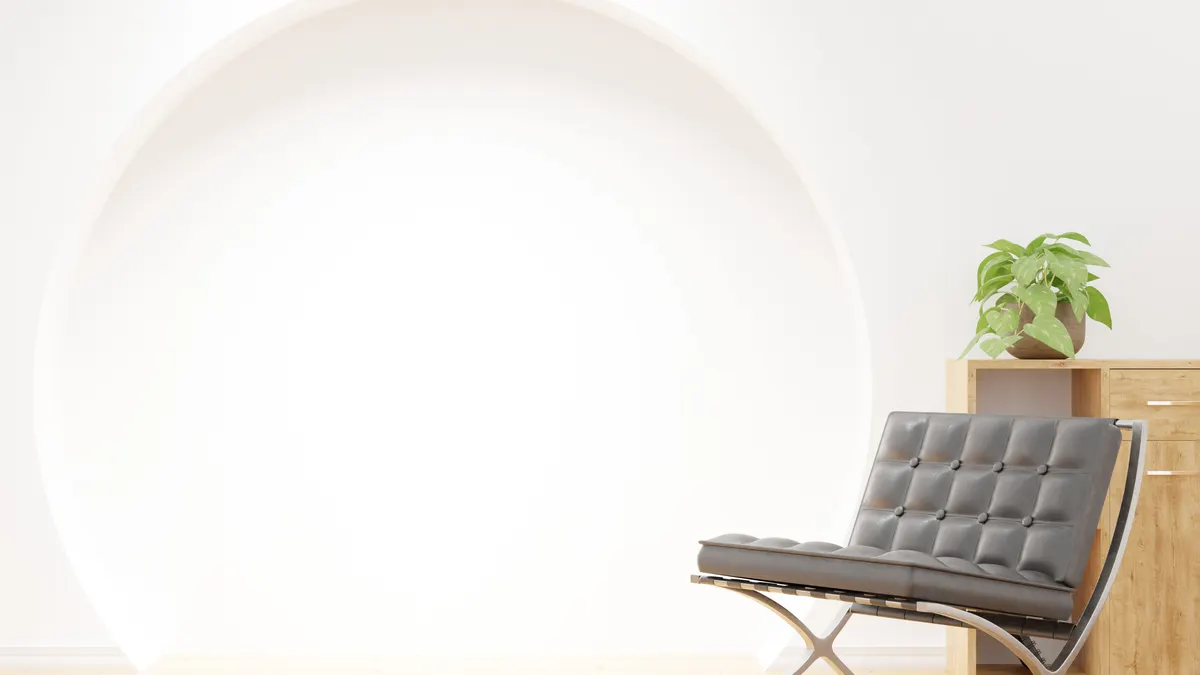
Scandinavian Decorating Ideas for Bright, Functional Rooms usually begin with white, off-white, soft gray, sand, and muted beige, then add one or two deeper accents in charcoal, black, or deep brown. Those lighter tones are doing the work of daylight: they bounce brightness around a room instead of absorbing it.
The mistake to avoid is choosing a stark white everywhere and stopping there. A room with only white walls, white curtains, and white furniture can feel flat, especially in evening light. Add texture instead of more color. A wool throw in oatmeal, a neutral rug with visible weave, and light oak or birch wood keep the palette warm enough to live with.
If the room gets strong sun, cooler whites can read crisp and clean. If it faces north or gets very little daylight, a white with a warm undertone usually feels kinder. Paint cards are not enough here; move samples around the room and watch them at 9 a.m., 3 p.m., and after dark. The same shade can look bright in one corner and gray in another.
A useful rule is to keep the largest surfaces light and the smallest objects a little darker. That means pale walls, a light floor, and soft upholstery, then a black floor lamp, a dark frame, or a charcoal cushion for contrast. The contrast gives the eye something to hold onto.
For guidance on color and material relationships in interior design, the Royal Institute of British Architects has a useful overview of daylight and materials in domestic spaces, and the National Trust often shows how lighter finishes affect older rooms. Those are good references when you want more than trend language.
How do I make a room feel Scandinavian?
You make a room feel Scandinavian by combining daylight, a simple furniture plan, and a short list of honest materials. That means less visual noise, not empty space for its own sake.
-
Start with the floor and window line. Put down a neutral rug, then hang linen curtain panels high and wide so they frame the window instead of cutting it into pieces. The result is a taller, brighter-looking room with softer edges.
-
Choose one main wood tone and repeat it 2 or 3 times. A birch wood table, a shelf in the same family, and a chair leg in a similar finish create calm without forcing a perfect match. The room feels coordinated, not staged.
-
Keep the largest upholstered piece plain. A sofa or bed in oatmeal, gray, or warm white gives the eye a rest. Then layer one wool throw and one or two cushions in muted tones. The room becomes cozy without turning busy.
-
Leave clear walking paths. In a small room, aim for at least 60 to 75 cm of open passage where people need to move most often. That keeps the layout practical and makes the room feel larger.
-
Use one lamp as a visual anchor. A white lamp with a simple shape can brighten a corner and make the room usable after sunset. If the room only works in daylight, the layout is incomplete.
-
Remove one object for every new object you bring in. If a shelf, table, or sideboard starts to look crowded, take something away. Scandinavian rooms rely on restraint, not emptiness.
The result is usually plain in the best sense: usable, easy to clean around, and calm at a glance. If a room still feels chaotic after this process, the issue is usually scale, not style. Oversized furniture, too many finishes, or a rug that is too small will fight the Scandinavian look every time.
Furniture choices that keep the room useful
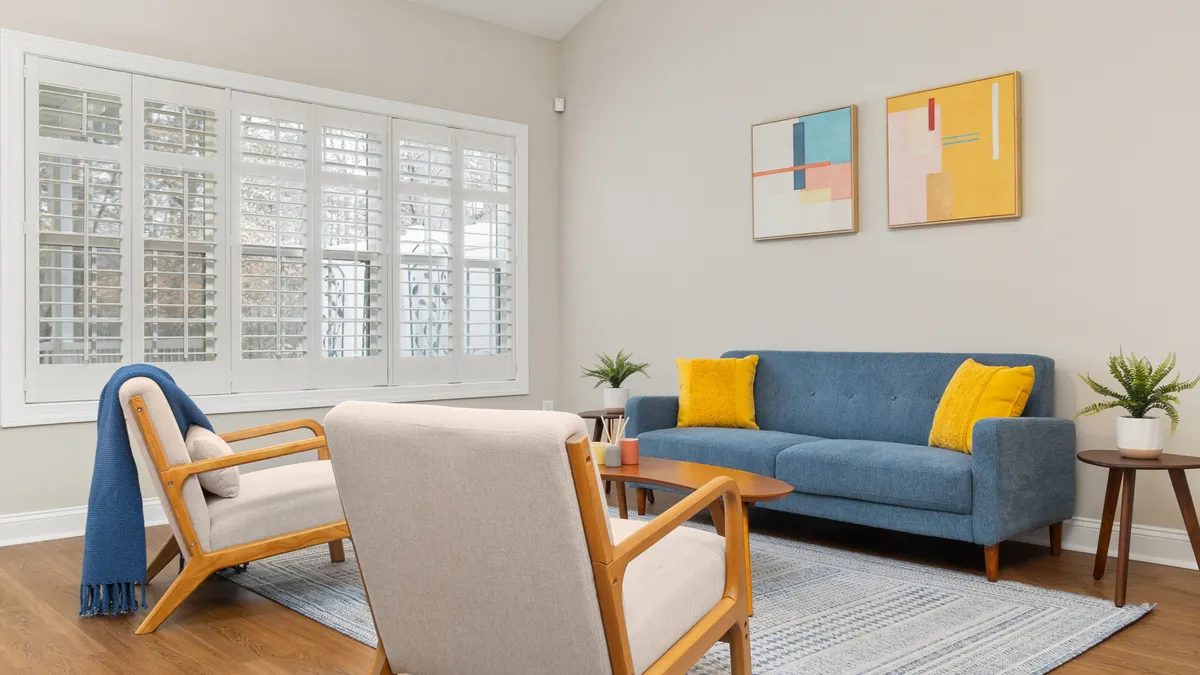
Simple furniture is the backbone of Scandinavian decorating because each piece has to do two jobs: look quiet and function well. Clean lines matter, but comfort matters more.
A simple chair with a slim frame is better than a bulky accent chair if the room is tight. It takes up less floor area and keeps sightlines open. A birch wood table works especially well because the grain adds warmth without visual weight. A low sideboard with closed storage is useful in rooms that collect chargers, books, and paper piles; the doors hide clutter while the top stays open for a lamp or bowl.
The trade-off is obvious: plain furniture can feel under-decorated if the room has no texture. That is why shape and material matter so much. A rounded table edge, woven seat, or visible wood grain keeps the room from feeling clinical. In a Scandinavian room, the silhouette usually matters more than ornament.
Scale is the most common mistake. A sofa that is too deep, a table that is too heavy, or a chair with too much bulk can make a light room feel cramped even if the color palette is right. The fix is to choose pieces with visible legs, modest profiles, and enough open space underneath for the floor to stay readable.
This is also where Scandinavian decor style differs from more formal interiors. It does not rely on symmetry or furniture sets. One dining chair might be a different model from the others, as long as the heights and tones feel related. That looseness keeps the room human, not showroom-polished.
If you need a room that feels precious, ornate, or highly decorative, this furniture language will feel too restrained. If you need a room that is easy to use every day, it is usually the right choice.
What textiles make a Scandinavian room feel warm enough to live in?
Textiles are what keep Scandinavian rooms from feeling like waiting rooms. The right ones soften light, reduce echo, and make plain surfaces feel finished.
A wool throw can be one of the quickest ways to add warmth. Fold it once over the arm of a sofa or the end of a bed so it looks placed, not stuffed. Wool works because it has texture and weight; it reads cozy even when the rest of the room stays pared back. A linen curtain does something different: it filters daylight and gives windows a soft, matte surface that feels gentler than shiny fabric.
A neutral rug does the heavy lifting underfoot. It should sit large enough to anchor the furniture, not float in the middle of the floor like an afterthought. In many rooms, that means the front legs of the sofa and chairs should at least touch the rug so the seating area feels connected. A small rug breaks the room apart.
The textile mix is often simplest when it includes one woven rug, one wool layer, and one or two linen or cotton accents. Too many textures make the room fussy. Too few make it hard and echoing. The point is not decoration for its own sake; it is softness where your body actually meets the room.
Color matters here too. Keep textiles in the same pale family as the walls, then vary depth and weave. An oatmeal throw beside a warm gray cushion is more useful than a stack of loud patterns. Pattern can work, but it needs to stay quiet and limited. A single striped pillow is enough if the rest of the room already has shape and texture.
If the room is already warm, loaded with wood, and lit by soft daylight, skip heavy textile layering. Too much fabric can make a Scandinavian room lose its airiness.
How do I keep the layout functional and uncluttered?
A functional Scandinavian layout keeps the center of the room open and pushes storage to the edges. That makes the room easier to use and easier to clean.
Begin by naming the room’s main job. A living room may need conversation seating, a reading corner, and a clear route to the door. A bedroom may need sleep, storage, and a small landing spot for clothes or a book. Once that job is fixed, every piece should support it.
Use this order when setting up the room:
- Place the largest piece first, usually a sofa or bed, against the most stable wall.
- Add the second-largest piece so it supports movement, not blocks it.
- Put storage where hands reach often but eyes do not need to rest on it.
- Leave one uncluttered surface in each zone, such as a coffee table, side table, or dresser top.
- Stand back and check for one thing that should disappear, because too many objects usually means too little function.
The payoff is not just visual. A room with a clear path and visible surfaces feels easier to maintain on a weekday evening than a room full of small objects. That is why Scandinavian decor style holds up in real homes: it assumes the room has a life beyond the photograph.
The mistake people make most often is filling every blank wall with something “interesting.” That usually costs the room its calm. Another error is using tiny storage pieces everywhere. Three small baskets do not work as well as one honest cabinet or shelf. Hidden storage matters more than decorative storage in this style.
If your room is a display area first and a living area second, this layout logic will feel too plain. But if you want a room that can absorb daily life without looking messy, it is the most reliable part of the style.
Key Takeaways
- Scandinavian decor style works best when brightness, comfort, and usefulness support each other.
- Light walls need texture and a few grounded materials, or the room can turn flat.
- Birch, linen, wool, and a neutral rug do more work than flashy decoration.
- Simple furniture with open space underneath keeps the room light and easy to move through.
- The style is not for anyone who wants ornate, dramatic, or heavily patterned interiors.
What is scandinavian decor?
Scandinavian decor is a style built around light, comfort, and function. It uses pale colors, simple furniture, natural wood, and soft textiles to make rooms feel open and livable. The look is restrained rather than bare, and it usually favors daylight, clean lines, and practical pieces over ornament.
How do I make a room feel Scandinavian?
You make a room feel Scandinavian by starting with light colors, adding natural materials, and keeping the layout uncluttered. Use a birch wood table, a wool throw, a white lamp, and a neutral rug, then leave clear walking space. The room should feel calm and easy to use, not staged.
What colors and materials define Scandinavian style?
Scandinavian style is usually defined by white, off-white, gray, beige, black accents, and warm wood tones. The main materials are wood, wool, linen, cotton, and simple painted finishes. These choices help a room stay bright while still feeling soft, grounded, and practical.
Drafted with AI; not yet reviewed by a person.