Last updated: October 27, 2026
Quick Answer: 4 changes usually make the biggest difference in living room decorating ideas for small spaces: scale, layout, color, and storage.
Key Takeaways
- Good small living room layouts leave clear paths and avoid crowding the center.
- Fewer visible shapes and lighter profiles help a small room feel more open.
- Scale and proportion decide whether the room feels designed or squeezed.
- A simple palette with controlled contrast helps a small living room feel less busy.
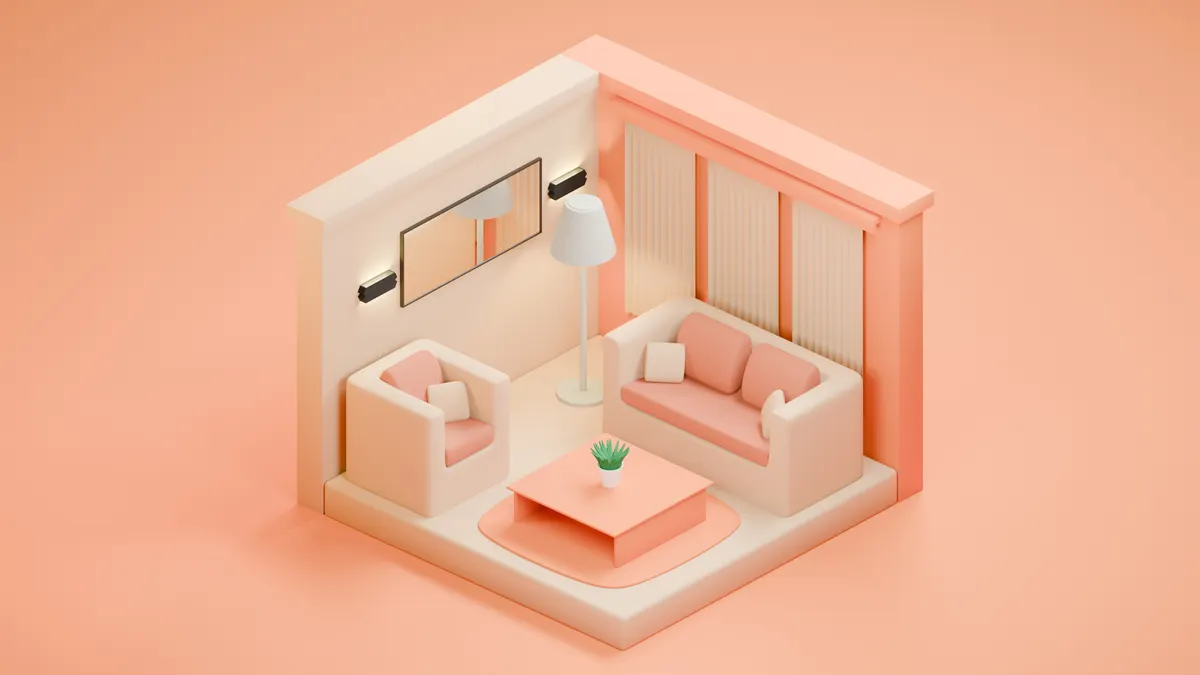
A small living room needs fewer pieces, tighter proportions, and more visual breathing room than a larger one. Living Room Decorating Ideas for Small Spaces work best when the room feels open without turning it into a showroom: a sofa that fits the wall span, one scaled armchair, a coffee table that doesn’t block movement, and light that reaches every corner.
Start with the layout, not the shopping list
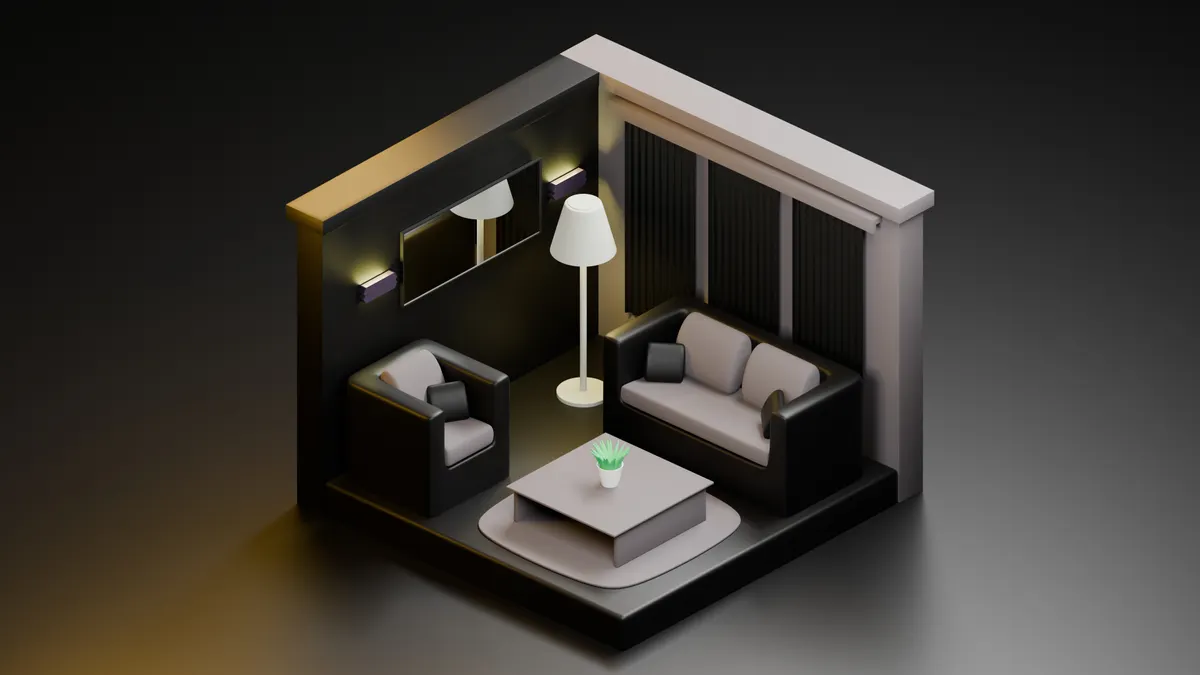
The layout is the fix for most small living rooms, because the wrong placement makes even good furniture look crowded. Before you buy anything, map the room at full scale on paper or with painter’s tape, using 2-foot and 3-foot walking paths as your guide. That is the difference between a room that feels arranged and one that feels jammed.
Use this order:
- Measure the room and write down the wall lengths, door swings, window widths, and any radiator, vent, or built-in. A tape measure and a simple sketch are enough.
- Choose the largest item first, usually the sofa. In a compact room, a 72- to 84-inch sofa often fits better than a bulky sectional, because it leaves clearance for an armchair and a side table.
- Place the sofa on the longest clear wall or float it slightly off the wall if the room needs a path behind it. Floating by even 3 to 6 inches can make the room feel less pinned to the perimeter.
- Add one armchair instead of a pair unless the room is unusually wide. A single chair keeps the seating area open and avoids creating a narrow aisle.
- Set the coffee table about 14 to 18 inches from the sofa edge so legs can move through comfortably. If the table is too close, the room feels cramped; too far, and the conversation zone breaks apart.
- Finish with a floor lamp or wall lamp where it won’t interrupt the path. Light should reach the seating area without forcing a lamp base into the middle of the room.
A small living room is not usually helped by pushing every piece against the wall. That common habit can leave a dead strip in the center and make the room feel like a waiting area. It is better to build one clear seating zone and let the rest of the floor stay open. A layout with one defined anchor point usually reads cleaner than a room filled edge to edge.
This is the place to link furniture to function. If the room needs TV viewing, the sofa should face the screen at a comfortable distance. If the room is mostly for conversation, angle the armchair toward the sofa and keep the coffee table centered between them. The goal is not symmetry for its own sake. The goal is a room that feels intentional when someone walks in. For more planning help, see how to arrange furniture in a small room and small living room layout ideas.
How do I decorate a small living room without making it feel crowded?
You decorate a small living room without crowding it by limiting the number of visible shapes and choosing pieces with lighter profiles. The room should read as a few large, useful forms rather than many small ones competing for attention.
Start with one main fabric piece, usually the sofa, and keep the rest visually quieter. A low-arm sofa, an open-base chair, and a coffee table with slim legs take up the same physical space as heavier pieces but leave more sightline underneath them. That open space matters. When the eye can see under furniture, the floor looks larger.
Avoid buying matching sets just because they are easy. A sofa, loveseat, and two chairs in one finish can make a small room feel like a furniture store display. One sofa, one chair, and one ottoman or table often gives the room a better scale. If extra seating is needed, a pouf or bench stored elsewhere is usually a smarter choice than forcing in another armchair.
Keep wall decor selective. One large framed piece, roughly 24 by 36 inches or larger, often works better than a cluster of six small frames. Too many small objects break the wall into fragments, which shrinks the room visually. The same rule applies to shelves: one narrow shelf or one shallow console is safer than a deep system that eats floor space.
Storage has to stay disciplined. Closed storage beats open storage when the goal is calm. A lidded basket, a media cabinet, or a coffee table with storage inside can hide remotes, chargers, and throws without turning them into visible clutter. Open baskets are useful, but only if they stay half-full and purposeful. A basket that collects random items becomes decoration against you.
A small room is not the right place for every favorite object. If a piece is visually busy, oversized, or awkwardly shaped, it should earn its spot. A little restraint makes the room feel larger than it is, which is the real win. For examples of pieces that work, look at small space furniture ideas and living room storage ideas.
Choose scale and proportion that fit the room
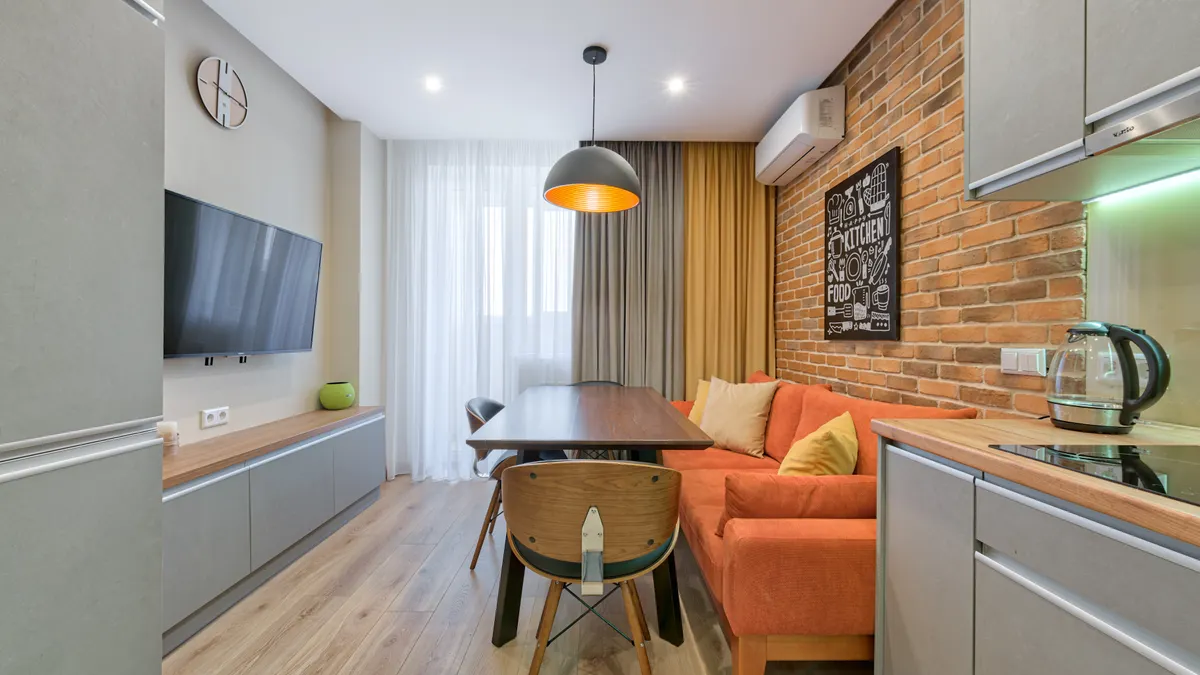
Scale and proportion decide whether the room feels designed or squeezed. A small living room can handle substantial pieces, but only if the pieces are right-sized for each other and for the walls around them.
The sofa sets the tone. In many small rooms, a compact two-seat sofa or a tight three-seat sofa is more useful than an oversized sectional. Sectionals can work, but they often dominate the layout and trap the room into one arrangement. If the room is under about 12 by 14 feet, a sectional can leave awkward leftovers unless the corners and circulation paths are unusually generous.
Use the coffee table as a visual anchor, not a block. A round table with a 30- to 36-inch diameter softens tight corners and makes it easier to move around it. A rectangular table works when the sofa is long and the room has a straight traffic path. Avoid a table that is nearly the same height as the sofa seat or too tall for comfortable reach; the mismatch looks awkward and feels clumsy.
The armchair should not fight the sofa for attention. A chair with exposed legs, a narrower back, or a lighter silhouette keeps the room from looking overfurnished. If a chair has a bulky frame, it can work best as the room’s only heavy accent rather than one of several.
Rug size matters more than many people expect. A rug that is too small makes the furniture float apart and shrinks the room visually. A larger rug that fits the front legs of the sofa and chair on it usually creates a stronger, calmer base. In a small living room, the rug should define the seating area, not cut it into pieces.
The mistake here is buying miniature versions of everything. Tiny pieces do not automatically make a room feel larger. They often make it feel scattered. A better rule is to use fewer, stronger shapes and let negative space do part of the decorating.
Use color and contrast to open the room
Color opens a small living room when the palette stays simple and the contrast stays controlled. The room does not need to be all white, but it does need a limited family of tones so the eye can move without stopping at every object.
Pick one main wall color, one upholstery tone, and one or two accent colors. If the sofa is light, a slightly deeper rug and a pale wall color can keep the room from looking washed out. If the sofa is dark, the walls and rug should be lighter so the room does not sink visually. The point is balance, not sameness.
Keep large surfaces quiet. A 2-inch-thick frame, a glossy black media cabinet, and a bright patterned rug can all be excellent individually, but together they create too much visual noise for a small room. One patterned textile is usually enough. If the rug has strong pattern, let the curtains or pillows stay simple. If the walls are textured or visually busy, choose plainer upholstery.
Reflective surfaces help, but only in moderation. A mirror placed to bounce daylight from a window can visually extend the room, especially when it reflects open space rather than the back of another chair. The mirror should feel intentional, not like a decorative afterthought. One medium or large wall mirror usually has more effect than several small ones scattered around the room.
Dark trim, heavy drapery, and repeated dark objects can shrink the space unless they are balanced by light surfaces. That does not mean avoiding every dark tone. It means using dark pieces where they add definition, such as a lamp base, a slim frame, or the legs of a coffee table. Small rooms benefit from contrast in thin lines, not big blocks.
This is not the place for a busy palette with six accent colors. A small living room can absolutely feel warm, moody, or tailored. It just cannot carry too many competing colors without starting to look packed. For color basics, the Sherwin-Williams color visualizer and Benjamin Moore paint advice are useful starting points.
What lighting makes a small living room feel bigger?
Layered lighting makes a small living room feel bigger because it removes dark corners and spreads the eye across the whole room. One ceiling fixture alone usually leaves the space flat and smaller than it is.
Use three layers if possible: ambient light, task light, and accent light. Ambient light can come from a ceiling fixture or a bright floor lamp. Task light belongs near reading seats or side tables. Accent light can be a lamp that highlights art, a shelf, or a plant. Even one extra source changes the room’s depth.
A floor lamp is often the easiest upgrade. Choose a lamp with a slim base and a shade that throws light sideways or downward, not just straight up into the ceiling. A lamp near an armchair can make the corner feel like an intentional reading spot instead of a dead zone. If floor space is tight, a wall-mounted sconce or plug-in lamp saves inches that would otherwise be lost to a base.
Warm, even light usually works better than a single harsh beam. If a room has one bright overhead source and nothing else, the furniture edges become harsh and the walls recede. Multiple low- to mid-height light sources soften the room and make the seating area feel wider. A lamp on a narrow side table can help because it lifts light above eye level without taking much floor space.
Mirrors can work with light, but they should be placed carefully. A mirror opposite a window helps spread daylight. A mirror facing a cluttered corner just repeats the mess. Use reflection to multiply the good view, not the bad one.
This is one area where cheap, underpowered lighting can hurt the whole design. A small room needs enough light to show the shape of the furniture and the edges of the rug. If the room stays dim, it will feel smaller no matter how carefully the furniture is chosen. For more guidance, see the U.S. Department of Energy lighting basics and ENERGY STAR lighting tips.
Storage solutions that keep the room calm
Storage solutions make a small living room work because they remove the visual clutter that crowds the space. The best storage is the kind you can use every day without opening a separate room or rearranging the furniture.
Choose pieces that store two jobs at once. A coffee table with a shelf, a storage ottoman, or a media cabinet with doors holds throws, games, remotes, and chargers without adding extra furniture. Closed storage is especially valuable in a small room because it hides the details that make a space feel busy.
Use the walls, but keep them shallow. Floating shelves should stay narrow enough that they do not become a visual shelf wall. A single shelf above a console can hold a lamp and a few books without taking over. Deep shelving in a small living room often turns into a display problem, not a storage solution.
Think about the objects that pile up first. If blankets, bags, pet items, or kid gear end up on the floor, build a home for them at the room edge. A basket beside the sofa is better than a pile beside the sofa. A slim cabinet near the entry to the room can catch the things that usually drift into the center.
Do not overbuy storage because it feels productive. Too many bins and cabinets can make a small room look more cramped than the clutter did. A better rule is to add one storage piece, then remove what it will contain. If the room still looks full, the problem is not lack of storage but too much furniture.
This is where many small rooms go wrong: they try to hide clutter by adding more objects. The result is a room that feels like it is working hard. The cleaner answer is fewer visible items, fewer loose surfaces, and storage that disappears into the room. For space-saving options, use coffee tables with storage and entryway storage ideas as references.
Small living room decorating ideas that work best, and the ones that do not
The best small living room decorating ideas are the ones that protect walking space, simplify the visual field, and give each piece a reason to be there. A sofa, an armchair, a coffee table, an area rug, a floor lamp, and a wall mirror can be enough when they are scaled correctly and placed with care.
The ideas that fail most often are also the most tempting. Oversized sectionals can choke the floor plan. Tiny furniture can make the room look scattered. Too many small decorative objects can create clutter faster than they add personality. Heavy contrast everywhere can make the room feel chopped up instead of coherent.
This approach is not for someone who wants a room packed with seating, layered accessories, and a collected-over-years look from day one. A small living room has limited margin. It rewards editing more than accumulation. If the room needs to serve as a lounge, reading nook, and media room at once, the layout has to stay disciplined or the room will lose its calm.
The simplest test is this: if you can move through the room without turning sideways, and the main seating zone still looks deliberate from the doorway, the design is working. That is the standard to keep in mind while decorating. For more examples, browse living room ideas and small apartment decorating ideas.
How do I decorate a small living room without clutter?
You decorate a small living room without clutter by limiting the number of visible objects and giving storage a real job. Keep the main furniture to a sofa, one chair, and one table, then hide the loose items in closed storage such as a cabinet or ottoman. A room with fewer but better-chosen pieces feels calmer than one packed with accessories.
What colors make a small living room look bigger?
Lighter, quieter colors usually make a small living room look bigger because they keep the walls and furniture from stopping the eye. Soft neutrals, pale grays, and muted tones work well when paired with one or two deeper accents. Strong contrast can still work, but too many dark blocks tend to close the room in.
How do I arrange furniture in a small living room?
Arrange furniture in a small living room by starting with the sofa, then placing one chair and one table around a clear walking path.
Drafted with AI; not yet reviewed by a person.