Last updated: October 27, 2026
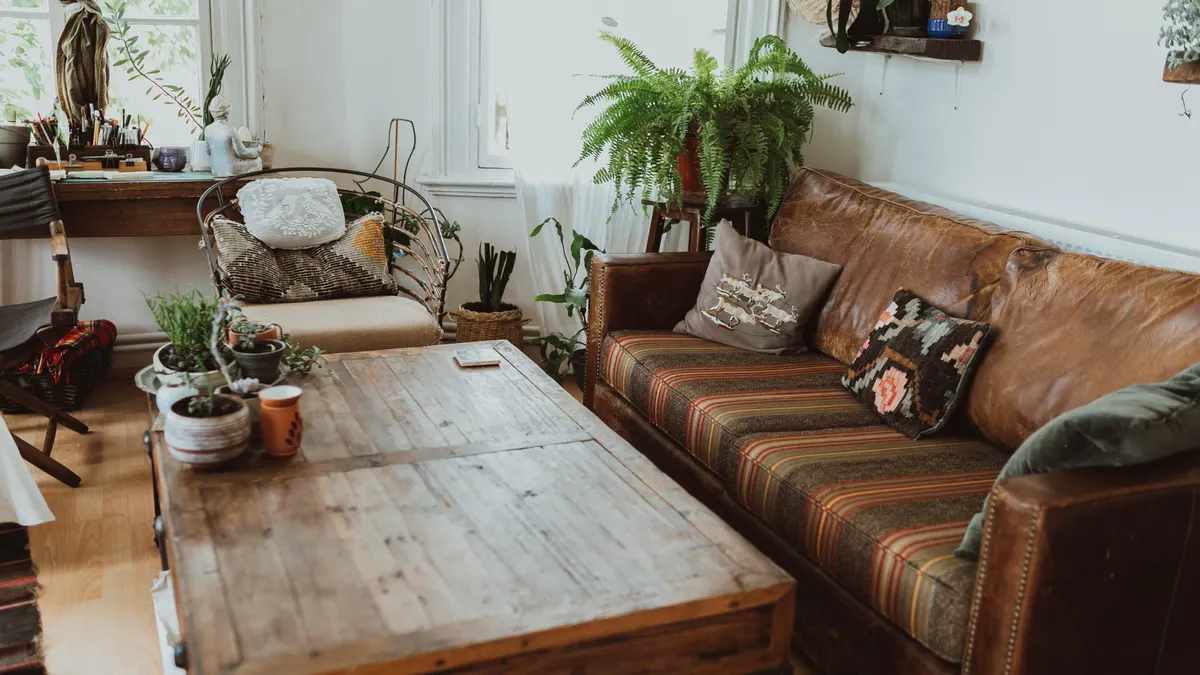
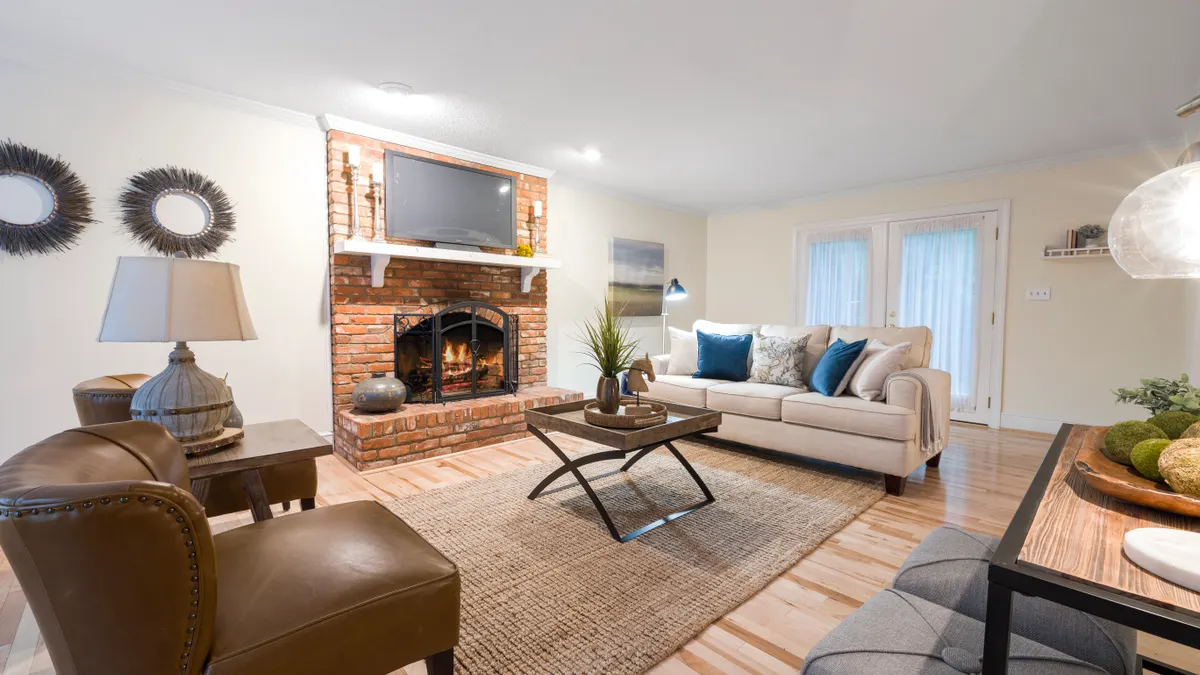
Quick Answer: Farmhouse decor feels warm when you use 3 core ingredients—natural texture, muted color, and a few aged pieces—then stop before the room feels themed. Farmhouse decor style feels warm when it leans on texture, restraint, and a few honest materials instead of a room full of signs, shiplap, and “farmhouse” props. The trick is to make the space look lived-in, not staged for a theme, and the keyword farmhouse decor fits that balance best.
What makes farmhouse decor feel warm instead of staged
Farmhouse decor feels warm when the room has a quiet base, a few weathered finishes, and enough soft material to break up all the hard edges. If the space starts to look like a set piece, the problem is usually repetition: too many word signs, too much white paint, too many objects that all say the same thing.
A restrained farmhouse room usually relies on 3 things:
- Natural texture: linen, wool, jute, unfinished wood, woven fiber.
- Muted color: cream, oat, taupe, faded gray, soft black.
- Aged detail: chipped paint, brushed metal, worn wood grain, old crockery, a salvaged frame.
That mix keeps the room from feeling slick. It also keeps it from drifting into a fake “country store” look. A single wood tray on a coffee table reads differently from four trays, six baskets, and a wall full of distressed signs. One looks collected. The other looks like a display.
This approach is not for someone who wants a high-gloss, symmetrical, newly built look. It is also not ideal if you need a room that feels ultra-minimal. Farmhouse style lives in the middle: soft, simple, and slightly imperfect.
The main rule is easy to remember: keep the palette calm, then let texture do the work. That is the part many generic guides miss, and it is why so many farmhouse rooms end up louder than the people living in them.
How do you decorate farmhouse without overdoing it?
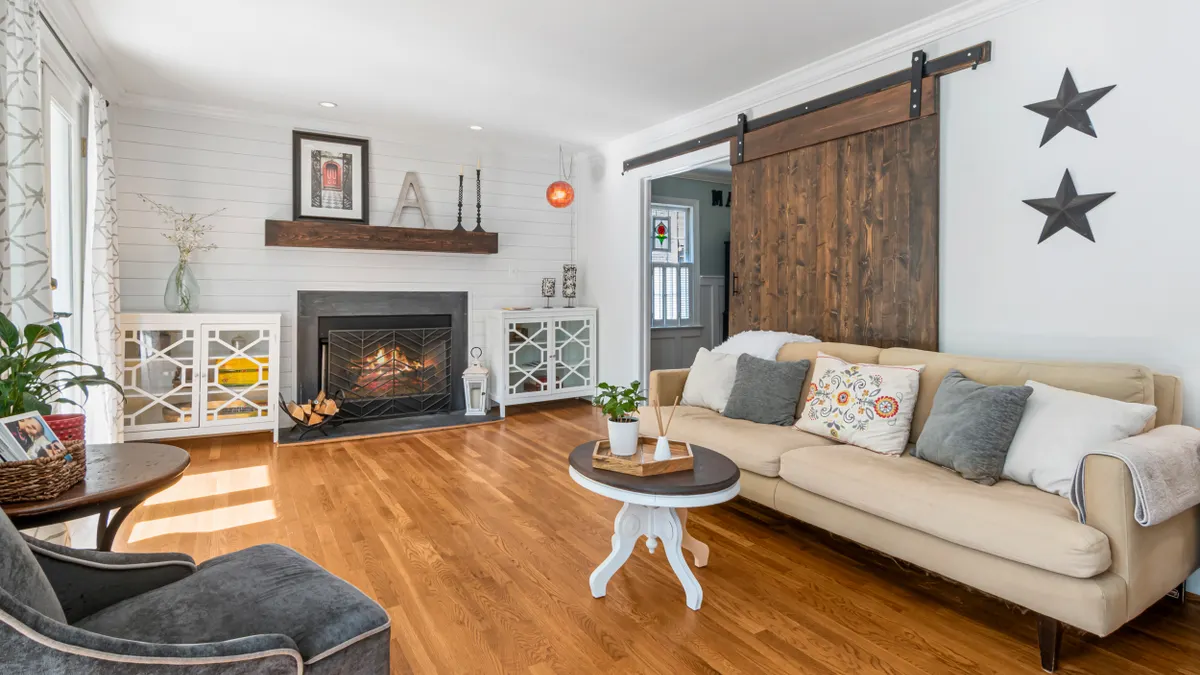
You decorate farmhouse without overdoing it by choosing one main statement per surface and stopping there. A coffee table can hold a wood tray, a candle, and a small stack of books. A console can hold a lamp, a woven basket, and one framed piece of art. That is enough.
Use this order when you are building a room from scratch:
- Pick a 3-color base. Start with one light neutral, one deeper neutral, and one dark anchor. For example, warm white, oatmeal, and black. The result is a room that feels grounded instead of washed out.
- Add one weathered material in each major zone. Use an aged wood table in the living area, a painted stool, or a vintage frame. One worn piece per zone gives the room character without making it look themed.
- Layer one soft textile where the eye lands first. A linen curtain panel, a throw blanket, or a slipcovered seat changes the mood faster than another accessory. The room reads quieter and softer.
- Repeat one natural fiber three times max. A jute rug, a basket, and a woven shade are enough. When the same texture appears too often, the room starts to look decorated by checklist.
- Use one vintage accent with a real purpose. A salvaged mirror, crock, or old frame works better than a generic “farmhouse” slogan. The object should help the room feel collected, not advertised.
- Leave visible negative space. Keep at least one shelf, wall, or tabletop partially clear. The emptier area gives the eye a place to rest and makes the decorated pieces feel intentional.
A good test is simple: if every item is trying to say “farmhouse,” the room is too much. If only the materials and a few shapes say it, the room feels warm.
For a deeper framework, this also fits neatly into the broader style-based decorating systems approach, where the room starts with rules instead of random objects.
Which textures and materials create the warmest look?
The warmest farmhouse look comes from mixing 4 or 5 textures that feel tactile in daylight, not from buying more decor. A room with linen, wood, wicker, wool, and aged metal usually feels richer than a room full of identical painted surfaces.
The most useful materials are:
- Linen: relaxed drape, matte finish, soft crease.
- Weathered wood: visible grain, knots, old stain, rubbed edges.
- Woven fiber: baskets, lamp shades, trays, and storage pieces that add pattern without print.
- Slipcovered fabric: a slipcovered chair softens a room fast and avoids the stiff look of formal upholstery.
- Aged metal: iron, dark bronze, or brushed zinc for contrast.
The balance matters. If everything is soft, the room turns bland. If everything is rough, it feels heavy. One slipcovered chair beside a wood table and a metal lamp is enough to create that lived-in farmhouse mix.
A mason jar still works in this style, but only when it is doing a small job: holding herbs, a single stem, or cotton swabs in a bathroom. A row of them on every shelf is where the look starts to tip into cliché. The same is true for baskets. A single woven basket can hide cords or blankets; six baskets in one room can make storage feel like decor clutter.
The warmest rooms usually include one piece that is visibly old and one that is visibly soft. That contrast is what keeps farmhouse style from feeling flat. A weathered bench under a linen curtain panel works because each element has a different visual weight.
What should you put on shelves, tables, and walls?
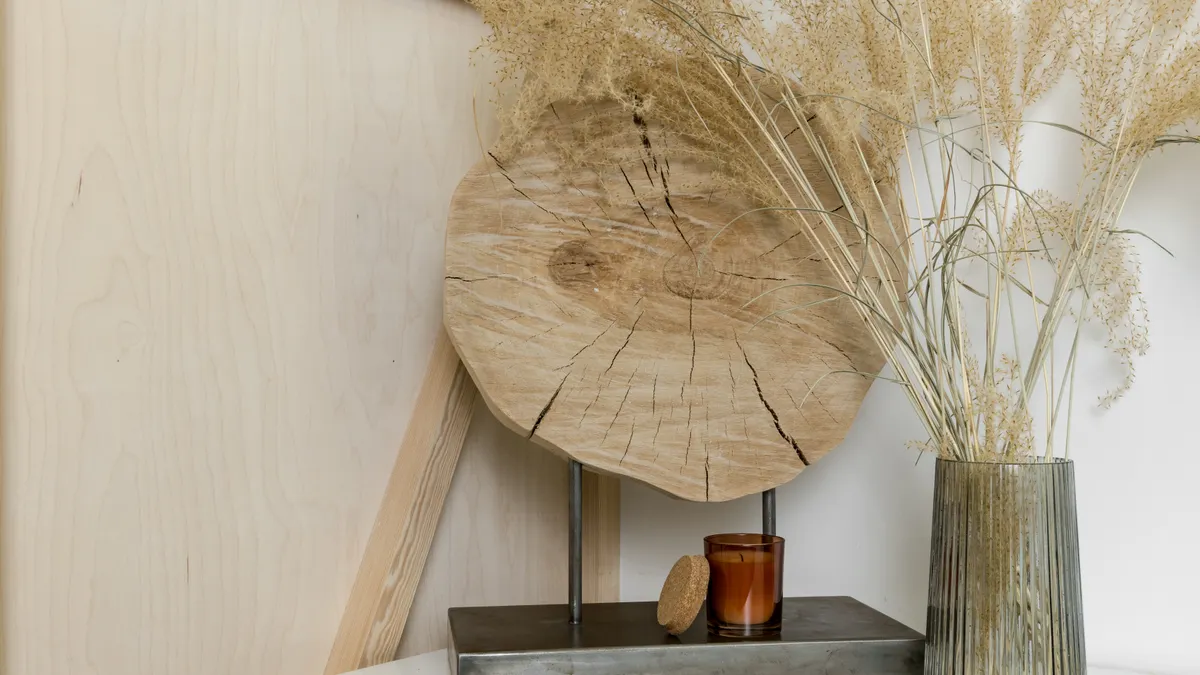
You should put fewer pieces in larger groupings and let each one breathe. Farmhouse decor looks warmer when objects are grouped in threes or fives, with enough space between them to see their shapes.
On shelves, a strong formula is: one book stack, one vessel, one framed item. On a table, try: one tray, one candle, one natural object. On a wall, one larger art piece usually looks calmer than several small farmhouse signs competing for attention.
A few specific pieces work well:
- Vintage sign: use one only, and choose a sign with simple wording or old typography. Put it where it reads as accent, not slogan.
- Mason jar: use it for flowers, kitchen utensils, or bathroom storage, not as a repeated motif.
- Wood tray: corral remotes, candles, or a mug stack so the surface feels organized.
- Woven basket: store blankets, shoes, or toys, especially in a room that needs hidden utility.
- Slipcovered chair: anchor a seating area with a piece that feels easy and unfussy.
The most common mistake is overfilling surfaces with tiny pieces. Small decor has a cost: it makes dusting harder, the room feel busy, and the style look cheaper because the eye has no place to land. The better move is to scale up. One 18-inch basket reads calmer than three small ones scattered around a room.
Wall art should also be quiet. A framed botanical print, landscape, or simple black-and-white piece usually ages better than a punny farmhouse phrase. If the wall is already busy with beadboard, shelves, or trim, skip extra signage altogether.
This is the section where restraint pays off most. A room with 7 carefully chosen objects often feels more thoughtful than one with 17 themed ones.
What colors go with farmhouse style?
Farmhouse style works best with soft neutrals, muted earth tones, and a single dark contrast. White alone is not the answer; a room painted entirely in bright white can feel cold, especially in low light or rooms with a lot of hard flooring.
A dependable palette includes:
- warm white
- ivory
- oat
- greige
- taupe
- soft sage
- faded blue-gray
- charcoal or black as an accent
These colors keep the room feeling calm without looking sterile. A linen curtain in ivory softens a wall of white paint. A black lamp base or picture frame keeps the room from drifting into sweetness. If the room needs warmth, natural wood usually does more than another color chip.
The trade-off is real: a restrained palette can look flat if the materials are too similar. That is why farmhouse rooms need contrast in finish, not just pigment. A matte wall, a stained wood table, and a woven basket create more depth than three shades of beige alone.
One useful rule is to keep the strongest color in the smallest dose. Use black in a frame, lamp, or hardware. Use sage on a cushion or vase. Let the largest surfaces stay quiet.
Avoid bright red, shiny chrome, and high-contrast pattern unless you want the room to move away from farmhouse style. Those details pull the eye too hard and make the rest of the room look accidental. Farmhouse decor depends on calm transitions, not dramatic color shifts.
Which farmhouse accents look classic without feeling dated?
Classic farmhouse accents stay useful, aged, or architectural; dated accents are the ones that only exist to signal the style. A shiplap wall is not the only answer, and it can be too much when used everywhere.
The best accents are usually these:
- a simple salvaged mirror with a worn frame
- a wood stool used beside a sofa or bed
- a ceramic crock or pitcher
- a vintage frame with muted art
- a lantern with a dark finish
- a grain sack-style textile used sparingly
The reason these work is that they have another job besides “looking farmhouse.” A mirror reflects light. A crock holds stems. A stool serves the room. That utility keeps the style from reading as costume.
The accents that date fast are the obvious ones: over-stenciled quotes, overly distressed signs, fake enamelware in every corner, and too much matching décor bought at once. Those pieces make the room feel locked in a specific decorating moment rather than quietly styled over time.
If you want the look to last, vary the age of the objects. A new linen curtain next to a salvaged table is fine. A new fake-distressed sign next to a fake-distressed tray next to a fake-distressed box is not. The eye notices when every object is trying to look antique.
A room becomes warm when at least one item has a little history, even if that history is visual rather than literal. The wear pattern on wood, the fade in fabric, and the uneven glaze on ceramic do more than a pile of themed accessories ever will.
The fastest way to make a room feel farmhouse and livable
The fastest way is to add one soft layer, one natural texture, and one piece with age, then stop. That combination changes the feel of a room without making it look decorated in one afternoon.
Here is a simple 10-minute reset:
- Put one wood tray on the main surface in the room.
- Remove extra small decor until the surface has room to breathe.
- Add a woven basket for practical storage.
- Swap a stiff panel for a linen curtain if the room needs softness.
- Place one vintage or vintage-style object where it will be noticed once, not everywhere.
- Leave one shelf, table, or wall intentionally plain.
The result should be a room that feels settled, not empty. That distinction matters. Too little decor can make farmhouse style feel unfinished. Too much makes it feel overdone. The middle ground is what you want.
This is not the style for someone who wants every surface styled to the inch. It is better for a home that needs warmth, function, and a few objects that look as if they earned their place. If the room still feels cold, add texture before adding more things. If it feels busy, remove an object before buying another.
Key Takeaways
- Farmhouse style feels warm when texture leads and decoration stays selective.
- One strong object per surface is usually enough.
- Linen, weathered wood, woven fiber, and aged metal do the heavy lifting.
- Vintage accents work best when they have a job, not just a theme.
- A restrained palette with one dark contrast keeps the room from feeling flat.
- If the room starts to look like a sign shop, the decor has gone too far.
What is farmhouse decor?
Farmhouse decor is a style built around simple forms, natural materials, and a worn-in, welcoming feel. It often uses wood, linen, baskets, neutral colors, and vintage-inspired pieces. The best versions feel practical first and decorative second, which keeps them from looking forced or overly themed.
How do I decorate farmhouse without making it look dated?
Decorate with fewer themed objects and more real materials. Use one or two vintage accents, not a collection of signs and fake-distressed pieces. Keep the palette quiet, choose simple frames and textiles, and let storage items like baskets or trays do some of the visual work.
What colors go with farmhouse style?
Soft neutrals work best: warm white, ivory, oat, greige, taupe, and faded gray. Add one deeper contrast such as charcoal or black so the room does not turn flat. Muted sage and blue-gray also fit well when used in small amounts.
Drafted with AI; not yet reviewed by a person.