Picture this: You’re starting a new business, and you’ve secured a fantastic warehouse space. The possibilities seem endless! But then you look around and see… well, a large, empty shell. Getting your decorating warehouse just right is about more than just making it look pretty; it’s about creating a functional and inspiring environment for your employees and a welcoming space for your clients. This post will show you how to transform your warehouse into a productive and visually appealing workplace. You’ll learn practical tips to boost employee morale, improve efficiency, and make a lasting impression. By the end, you’ll have a clear plan for enhancing your warehouse’s look and functionality, improving your time on page and reducing bounce rates!
Key Takeaways
- Learn how to optimize your warehouse layout for improved workflow and storage.
- Discover how to use color and lighting to create a more pleasant and productive atmosphere.
- Find practical tips for incorporating branding elements into your warehouse design.
- Understand the importance of safety and compliance in your warehouse decorations.
- Explore cost-effective decorating warehouse options that don’t break the bank.
- Gain insights into creating distinct zones to enhance the warehouse’s efficiency.
Planning Your Warehouse Layout
Before you even think about paint colors or decorations, the layout of your decorating warehouse is the most important element. A well-designed layout can dramatically increase efficiency, reduce the risk of accidents, and boost employee morale. Think of it as the foundation upon which your warehouse’s success is built. Proper planning can save time, money, and headaches down the road. It ensures that every aspect of the space, from the storage arrangement to the movement of goods, contributes to streamlined operations. It directly impacts your bottom line by optimizing every square foot and improving processes.
Assessing Your Needs and Capacity
Begin by evaluating your current and future needs. What types of goods will you store? How much space do you need for inventory, processing, and shipping? Make a detailed list of all the activities that will take place in the warehouse and what equipment and space each activity requires. This includes receiving, storage, order fulfillment, and shipping. Consider the dimensions of your building: its height, width, and length. Measure everything! You’ll need this information to plan effectively. Remember, anticipating future growth is critical. Over time, your business will probably expand. Plan for flexibility, which includes being able to adapt the layout. Consider the placement of loading docks, offices, and break areas, considering the flow of goods and people.
- Inventory: Estimate the amount of inventory you anticipate holding at any given time. This affects how much storage space you need.
- Equipment: Determine what equipment you need (e.g., forklifts, pallet jacks, conveyor belts) and the space they will occupy.
- Traffic Flow: Analyze how goods and people will move throughout the warehouse.
- Zoning: Establish distinct zones for receiving, storage, picking, packing, and shipping to improve efficiency.
- Safety Regulations: Ensure your layout complies with all safety regulations, including fire exits and clear pathways.
Storage Solutions
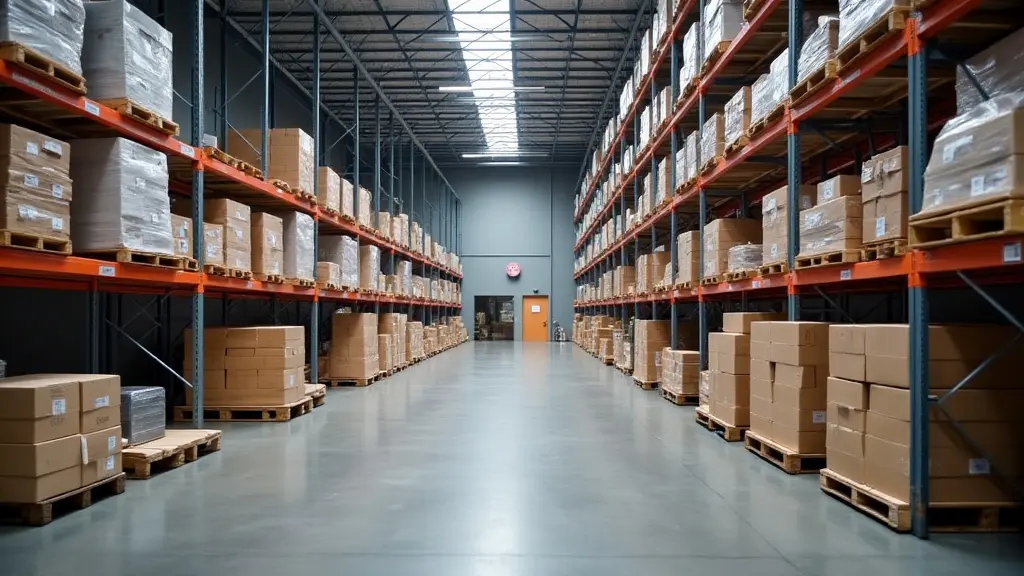
Effective storage is key to a functional warehouse. Selecting the correct storage solutions can free up floor space, speed up the process of fulfilling orders, and protect your products. There’s a wide range of options available, from basic shelving units to sophisticated racking systems. The best choice depends on your inventory type, the volume of goods, and budget. Before making any decisions, take a detailed inventory of your products, including their size, weight, and storage requirements. High-density storage solutions, such as pallet racking, are a common choice for optimizing vertical space. They allow you to stack pallets high, which is great if you have a lot of one type of product.
For smaller items or individual products, shelving units or modular storage bins are ideal. These systems are easily customizable, letting you modify the configuration to accommodate changes in your inventory. Consider the accessibility of your inventory. Fast-moving items should be placed in areas that are easily accessible, while slower-moving items can be stored further back. Labeling and organization are key! Clearly label shelves, racks, and bins to make it easy to identify and retrieve items. Effective storage is a combination of the right equipment, organization, and a solid understanding of your warehousing needs. When you start, consider this: “Every well-organized warehouse is a result of meticulous planning and commitment to efficiency.”
- Pallet Racking: Excellent for storing large quantities of goods that are palletized.
- Shelving Units: Suitable for smaller items, individual products, and items that need to be easily accessible.
- Mezzanine Floors: Additional storage space by adding an elevated platform within your warehouse.
- Modular Storage Bins: Great for organizing small parts and components.
- Optimizing Vertical Space: Taking advantage of your warehouse’s height can dramatically increase storage capacity.
Traffic Flow and Workflow Optimization
The movement of goods and people within your warehouse should be as efficient as possible. Traffic flow optimization involves analyzing how items move from the loading dock to storage, through picking and packing, and finally to shipping. Proper planning can reduce the risk of accidents and speed up the order fulfillment process. Start by designing clear pathways for forklifts and other equipment. These pathways should be wide enough to accommodate the equipment and provide enough space for workers to safely move around. Mark these paths with clear lines, or use floor tape, to guide traffic and prevent congestion. Consider implementing a U-shaped or L-shaped workflow to optimize the flow of goods. These layouts make the movement of goods much easier.
Ensure that the receiving area is close to the loading dock. This will reduce the time it takes to unload shipments and move them to storage. The picking and packing areas should be close to the storage areas, minimizing travel time and making it faster to process orders. Likewise, the shipping area should be close to both the packing area and the loading dock, so you can quickly get outgoing shipments to the right location. Use technology to help optimize workflows, such as warehouse management systems (WMS). These systems can help you track inventory, manage orders, and optimize the layout. When traffic flows smoothly, you’ll be able to fulfill orders quickly, reduce errors, and keep your employees safer. A poorly designed warehouse can result in bottlenecks, delays, and employee frustration.
- Clear Pathways: Establish clear paths for equipment and workers.
- Strategic Placement: Place receiving, storage, picking, packing, and shipping areas for optimal flow.
- One-Way Systems: Consider implementing one-way traffic flow to reduce congestion and improve safety.
- Automation: Use technology like conveyor belts to move goods efficiently.
- Regular Review: Constantly assess and adjust the flow to match evolving business needs.
Color and Lighting for a Warehouse
The right colors and lighting can transform a decorating warehouse from a dull, utilitarian space to an inviting and functional workspace. They affect both the mood and the productivity of your employees. The right choices can make your warehouse appear larger, brighter, and more organized. While it’s true that warehouses often prioritize functionality over aesthetics, strategic use of color and light can pay big dividends in terms of employee satisfaction, safety, and overall efficiency. The goal is to create an environment that supports your business operations while creating an atmosphere that employees and visitors find appealing. Start by looking at the natural light available. Can you increase natural light with skylights or larger windows? This reduces energy use and can improve employee morale.
Choosing Colors
Color choices play a big role in creating the atmosphere you want. Consider the purpose of your warehouse and the message you want to send. Bright, vibrant colors can be stimulating and energizing. Use them in areas where you want to boost activity and engagement. Neutral colors, such as light grays, whites, and soft beiges, create a sense of calmness and cleanliness. These are great choices for high-traffic areas or spaces where you want employees to focus. Make sure the colors you choose work well with your brand. Integrate your company’s colors into your design to promote brand recognition. Color can also serve a practical purpose. Use different colors to designate zones or to highlight safety areas. Safety colors like red (fire safety), yellow (hazards), and green (safety equipment) are very important.
In a large warehouse, different colors can make areas more visually clear. Light colors reflect more light, making a space brighter and easier to navigate. Dark colors can make a space feel smaller, which may be beneficial in certain areas. Also, think about the durability of the paint you select. Choose paints that can withstand wear and tear. Consider using washable paints in areas with high traffic. Remember, paint is just one aspect of the overall aesthetic. Use color with lighting and branding to bring the whole picture together. In conclusion, the right combination of colors in your warehouse can change everything. It can create an atmosphere that employees enjoy, increasing their sense of well-being and productivity.
- Neutral Colors: Consider using white, light gray, or beige for walls to reflect light and create a feeling of spaciousness.
- Accent Colors: Add pops of color with trim, doors, or equipment to enhance the visual appeal and define zones.
- Branding: Incorporate your brand colors to increase brand recognition and reinforce your company identity.
- Safety Colors: Use colors like red, yellow, and green to highlight safety zones and equipment.
- Durable Paints: Use paints that can withstand the demands of a warehouse environment, such as wear and tear.
Lighting Solutions
Proper lighting is essential for worker safety and productivity. The right lighting can reduce eye strain, improve visibility, and create a positive work environment. There are several lighting options to consider, from traditional fluorescent lighting to more energy-efficient LED lights. Consider the type of work that takes place in each area when choosing lighting. For example, high-intensity lighting may be needed in areas where detailed work is performed, such as picking or packing stations. In other areas, you may need only general lighting to improve visibility. Consider the placement of your lighting fixtures to avoid creating shadows that could create hazards. It is important to know that proper lighting also reduces the risk of accidents by improving visibility and reducing eye strain. Also, well-lit spaces seem more secure and can create a more welcoming atmosphere.
LED lighting is an excellent choice for warehouses. It provides bright, consistent light and uses much less energy than traditional fluorescent or incandescent bulbs. LED lights last for a long time. They require less maintenance, which can reduce your operating costs. In addition to the type of lighting you choose, you should also think about the light levels. In general, a warehouse should have sufficient lighting for employees to perform their tasks safely and efficiently. You can supplement overhead lighting with task lighting at workstations. This helps workers focus on their specific tasks. Consider installing motion sensors to turn off lights in areas when they aren’t in use. To sum up, lighting is critical to the functionality and aesthetic appeal of your warehouse. Selecting the right lighting can help increase productivity, safety, and create a work environment that’s more enjoyable.
- LED Lighting: Consider the use of energy-efficient LED lighting for long-lasting and cost-effective lighting solutions.
- Light Levels: Ensure sufficient light levels in areas where detailed tasks are performed, such as picking and packing stations.
- Task Lighting: Supplement overhead lighting with task lighting for workstations.
- Placement: Position lighting fixtures to eliminate shadows that could create safety hazards.
- Motion Sensors: Install motion sensors to turn off lights in areas that are not in use to save energy.
Incorporating Branding into Your Warehouse Design
Your warehouse isn’t just a place to store goods; it’s an extension of your brand identity. Properly incorporating branding elements into your warehouse design can help reinforce your brand, make a good impression on clients, and create a sense of unity among your employees. Branding goes beyond your logo and brand colors; it should be applied to all aspects of the warehouse’s design, from the layout and color scheme to the signage and decor. The goal is to create a consistent brand experience that reflects your company’s values and identity. Start with your logo! Integrate your company logo in key areas, such as the entrance, reception area, and main workspace. Make it large enough so that it is instantly recognizable.
Signage and Graphics
Signage is a very important part of decorating warehouse. Use signage for practical purposes, such as wayfinding, safety warnings, and product identification. However, it can also be used to reinforce your brand identity. Make sure that all signage is consistent with your brand guidelines, including your fonts, colors, and overall style. Place signage in locations that are easy to see and that will communicate your message. Consider using graphics to visually reinforce your brand values. For example, if your company emphasizes sustainability, display graphics that show your commitment to eco-friendly practices. Make sure that your graphics are high-quality and that they accurately represent your brand. Don’t underestimate the power of visual communication, which can make your brand more memorable and impactful. Using signage and graphics to create a cohesive and consistent environment is important for brand recognition and employee morale.
- Logo Integration: Display your company logo prominently in the entrance, reception area, and other key areas.
- Signage: Create signs that direct people and are consistent with your branding, including fonts and colors.
- Color Schemes: Employ your brand colors to create consistency with the whole company.
- Graphics: Place graphics around the warehouse that reflect your company’s values.
- Consistency: Ensure all branding elements are consistent across the warehouse.
Employee Spaces and Decor
Your employees spend a lot of time in the warehouse. Making their workspace comfortable and inviting is just as important. Decorate employee spaces, like break rooms or offices, to reflect your brand identity and create a pleasant atmosphere. Use comfortable furniture, attractive lighting, and artwork that aligns with your brand. Allow employees to personalize their workspaces to express their personalities. For example, you might allow them to decorate their cubicles or hang posters. This boosts their morale and encourages them to feel more connected to your brand. Incorporating branding into employee spaces also fosters a strong sense of unity and shared identity. It sends a message that you value them and are invested in their well-being.
- Break Rooms: Create inviting break rooms with comfortable furniture, company colors, and branding elements.
- Offices: Decorate offices with brand colors and graphics.
- Employee Contributions: Allow employees to personalize their workspaces with personal items.
- Artwork: Display artwork that complements your brand and creates a welcoming atmosphere.
- Company Values: Decorate common areas, reflecting your company values.
Safety and Compliance in Warehouse Decorations
While aesthetics are important, safety and compliance with regulations should be your top priority. You can’t let your desire to make your decorating warehouse visually appealing override the critical need to create a safe work environment. This means adhering to local and national safety standards, as well as fire codes and building regulations. A safe warehouse is not just a legal requirement but also a critical factor in productivity, employee morale, and risk management. Think of safety as a core component of your warehouse design. Before beginning any decorating project, review all applicable safety regulations and ensure your design and all materials used comply with those standards. Failing to do so can lead to accidents, fines, and potentially harm to your employees.
Safety Equipment and Signage
Safety equipment and signage are essential for preventing accidents and ensuring the safety of employees. All areas should be equipped with appropriate safety equipment. Fire extinguishers, first-aid kits, and eye-wash stations should be readily accessible and clearly marked. Place safety signs throughout the warehouse to warn employees of potential hazards, such as the use of forklifts, slippery surfaces, and restricted areas. Make sure all signs are easily visible. Signs should comply with local standards, using clear symbols and colors. For instance, fire safety equipment should be clearly marked with red signs. Also, all safety signs should be well-maintained and replaced when they become damaged or faded. Make sure that all equipment is regularly inspected and maintained. Also, train your employees in the use of safety equipment and the recognition of workplace hazards.
- Safety Equipment: Ensure fire extinguishers, first-aid kits, and other equipment are readily available.
- Signage: Place clear signs warning of potential hazards.
- Compliance: Adhere to local safety regulations and fire codes.
- Maintenance: Regularly inspect and maintain safety equipment and signage.
- Training: Train your employees on safety protocols.
Fire Safety Measures
Fire safety is a primary concern for any warehouse. Fire can rapidly spread, and it can cause devastating damage, injuries, and even fatalities. Your warehouse design should integrate several fire safety measures to prevent fires and reduce their impact. Start with a comprehensive fire detection system that includes smoke detectors and heat sensors throughout the warehouse. These devices must be regularly inspected and maintained to ensure they function correctly. Install a sprinkler system to quickly suppress fires. This system is crucial in controlling fires and preventing them from spreading. Make sure the system is inspected and maintained regularly by qualified professionals. Plan multiple escape routes and keep them clear of obstructions. Clearly mark all fire exits and make sure they are easily accessible. Hold regular fire drills to train your employees on how to evacuate the warehouse safely. Also, make sure that all your materials are stored and handled in a way that minimizes the risk of fire. Implement policies to restrict smoking and the use of open flames.
- Fire Detection Systems: Install smoke detectors and heat sensors throughout the warehouse.
- Sprinkler Systems: Install and maintain a sprinkler system.
- Escape Routes: Mark and keep clear multiple escape routes.
- Fire Drills: Conduct regular fire drills.
- Material Handling: Store materials to reduce fire risk.
Cost-Effective Decorating Warehouse Strategies
You don’t need a huge budget to transform your warehouse into a visually appealing and functional space. There are many cost-effective strategies you can use to upgrade your decorating warehouse without breaking the bank. By prioritizing clever design choices, using budget-friendly materials, and taking advantage of DIY options, you can achieve amazing results. Start by creating a detailed budget and a comprehensive plan. Set realistic goals. Then, explore several cost-cutting strategies that allow you to achieve the greatest possible impact for your investment. Don’t let your budget prevent you from creating the type of workspace you need!
DIY Projects and Repurposing
DIY projects and repurposing are two of the most cost-effective ways to enhance your warehouse’s aesthetics. By doing some of the work yourself, you can dramatically reduce your costs. Also, consider reusing materials and turning them into creative design elements. Look for DIY ideas that fit your skills and the available time. For example, painting walls yourself can make a huge difference in the appearance of your warehouse. Use stencils or freehand designs to create visual interest. Making simple shelving units or storage bins yourself can be a cheap option. Consider repurposing shipping pallets into furniture or decor items. Pallets can be turned into tables, shelves, or even accent walls. Remember, creativity and resourcefulness are your best friends here. You can transform your warehouse into a unique and attractive space that reflects your brand and values without overspending.
- Painting: Paint walls and other surfaces to update the look of your space.
- Shelving: Build simple shelving units.
- Repurposing: Convert shipping pallets into tables, shelves, or wall decor.
- DIY Signage: Create cost-effective signs using DIY methods.
- Creative Solutions: Explore cost-effective solutions for your warehouse’s visual appeal.
Thrifty and Budget-Friendly Ideas
Using thrifty and budget-friendly ideas is an easy way to make your budget stretch. There are a variety of ways to enhance your warehouse without spending a fortune. Start by exploring thrift stores, antique stores, and online marketplaces. You can find used furniture, artwork, and decorations at a fraction of the cost of new items. Look for sales and discounts at home improvement stores. Also, shop around to make sure you get the best prices on paint, flooring, and other materials. A good way to improve the look of your space is to add visual interest with inexpensive options. Consider using wallpaper or removable wall decals. These can be used to create accents without spending a lot of money. You can find many affordable options if you are open to being creative and resourceful. With some effort, you can transform your warehouse into an attractive and functional space.
- Second-Hand Finds: Shop at thrift stores and online marketplaces for furniture and décor.
- Sales and Discounts: Look for sales and discounts on paint and materials.
- Wall Decals: Decorate with wallpaper or wall decals.
- Budget-Friendly Materials: Select materials that align with your financial goals.
- Creative Solutions: Implement unique options that fit your budget and warehouse needs.
Creating Distinct Zones in Your Warehouse
Establishing distinct zones within your warehouse is a critical step to increase efficiency and improve the overall flow. A well-defined zoning strategy can streamline warehouse operations, reduce errors, and increase worker productivity. The idea is to organize your warehouse into separate areas, each dedicated to a specific function or activity. This targeted approach helps improve workflow. In addition to optimizing work processes, a zoned warehouse is a safer environment. Specific areas for equipment, storage, and processing reduce clutter and the potential for accidents. Zoning can be achieved through different methods, including using physical barriers, floor markings, and visual cues. Before you begin, analyze your workflow to see where the zones should be. The layout will depend on your specific needs and operations.
Defining Zones
Clearly defining the different zones is very important in creating an efficient warehouse. Each zone should be dedicated to a specific task or activity. Establish distinct zones for receiving, storage, picking, packing, and shipping. The receiving zone is where goods are unloaded, inspected, and processed when they enter the warehouse. The storage zone is where you keep your inventory. The picking zone is where employees gather items to fulfill orders. The packing zone is where the items are packaged for shipment. The shipping zone is where you prepare shipments for pickup. In addition to these main zones, you may want to set up specific areas. Create a dedicated workspace for office and administrative tasks. You can set up a break room where employees can relax. Make sure each zone is clearly marked with signs, floor markings, and any other visual cues. Zoning will help to streamline the process, reduce errors, and increase productivity. Properly defining zones will help make your decorating warehouse more effective.
- Receiving Zone: The area for unloading and inspecting incoming goods.
- Storage Zone: The space where goods are stored before picking.
- Picking Zone: The area where items are gathered to fulfill orders.
- Packing Zone: The space for packaging items for shipment.
- Shipping Zone: The area for preparing shipments.
Using Visual Cues and Barriers
Visual cues and physical barriers help to organize your warehouse. Clear visual aids and barriers are useful for defining zones and maintaining a smooth workflow. Floor markings are a cost-effective way to distinguish between different areas. Use colored lines or stencils to create clearly defined pathways for forklifts, workers, and goods. Designate specific areas for storage, picking, and packing. Use different colors to mark different zones. For example, you might use yellow lines for walkways, red lines for restricted areas, and blue lines for storage areas. Physical barriers, such as racks, partitions, and storage containers, can also be used. They create clearly defined boundaries and help to separate activities. Use these barriers to create more private workspaces for administrative staff or to set up separate areas for different types of equipment. These visual cues and physical barriers enhance safety and productivity. They make sure employees can quickly find their way around the warehouse.
- Floor Markings: Create clear pathways for equipment and workers with colored lines.
- Color Coding: Use colors to indicate different zones.
- Physical Barriers: Use racks, partitions, and containers to define boundaries.
- Signage: Use signs to improve clarity.
- Workflow Optimization: Use cues and barriers to create a smooth workflow.
Common Myths Debunked
Myth 1: Warehouse Decor Doesn’t Matter
Many business owners believe that investing time and money into decorating warehouse spaces is unnecessary, thinking it’s purely a functional space. However, the appearance of your warehouse impacts employee morale, productivity, and your brand image. A well-designed warehouse boosts worker satisfaction and can make the business more welcoming to visitors. Clean, organized, and aesthetically pleasing environments have a clear impact on performance and employee well-being.
Myth 2: Decorations are Too Expensive
Some people think decorating warehouse spaces is too expensive. With careful planning and the use of cost-effective strategies, you can improve the appearance of your warehouse without a large budget. There are many affordable options, such as DIY projects, repurposing, and thrifty finds. You can achieve fantastic results using creativity and resourcefulness. It doesn’t have to cost a fortune!
Myth 3: Safety and Aesthetics Can’t Coexist
Some believe that safety concerns clash with design and decoration. You can integrate design elements without compromising safety. Proper lighting, clear signage, and designated zones can enhance both the aesthetics and safety. For example, a well-lit space improves visibility. Combining these elements provides a functional and beautiful workspace for your employees.
Myth 4: A Warehouse is Just for Storage
This is a limiting view that neglects the full potential of warehouse spaces. Your warehouse is a place for storage, but it can also be a center for your company’s culture and its identity. It is a place where employees spend time, and a well-designed warehouse shows that you value your staff. It reflects well on your brand and leaves a positive impression on your visitors.
Myth 5: It’s Difficult to Implement Changes in a Warehouse
While changes may require planning, it isn’t difficult to implement changes in a warehouse. Start with a detailed plan, break down the project into manageable tasks, and prioritize the most important areas. The key is to address improvements in stages, and you’ll find that transforming your warehouse is an attainable goal. You can make an immediate positive impact!
Frequently Asked Questions
Question: How do I choose the right paint colors for my warehouse?
Answer: Consider the lighting in your warehouse, the type of work performed in each area, and your brand’s colors. Neutral colors can make spaces feel brighter and more spacious, while accent colors can define zones and add visual interest. Don’t forget safety colors for hazards!
Question: What are the best ways to incorporate my brand into the warehouse?
Answer: Use your logo in visible locations, such as the entrance and reception. Apply your brand’s colors and fonts to signage, and ensure consistency across all elements. You can include graphics and artwork that support your brand’s identity and values.
Question: How can I improve safety in my warehouse while still decorating?
Answer: Always prioritize safety by adhering to all safety regulations and fire codes. Ensure you have clear signage, well-maintained equipment, and proper lighting. You can also integrate safety measures into the decor, such as using specific colors to highlight hazards and clearly marking escape routes.
Question: What are some low-cost decorating ideas for my warehouse?
Answer: Explore DIY projects like painting, building shelving, and repurposing materials. Thrift stores, second-hand shops, and online marketplaces offer cost-effective options for furniture and décor. Look for sales and discounts, and consider using wall decals or stencils.
Question: How do I create distinct zones to improve warehouse efficiency?
Answer: Define zones for different functions, such as receiving, storage, picking, packing, and shipping. Use floor markings, color coding, and physical barriers to distinguish and organize each zone. Ensure all areas are clearly labeled and well-organized to optimize workflow and reduce errors.
Final Thoughts
Your decorating warehouse shouldn’t be seen as an afterthought; it is an important investment in your business’s future. By carefully planning the layout, considering the use of color and light, incorporating your brand identity, and focusing on safety and efficiency, you can create a workspace that’s both productive and appealing. You have the power to transform a once-utilitarian space into a hub of productivity, safety, and brand recognition. Implement these strategies, from optimizing your layout for smooth workflow to incorporating your brand’s identity through carefully chosen design elements. Consider it as a commitment to your employees and a representation of your company. By taking these steps, you can create a work environment that inspires and supports your team!