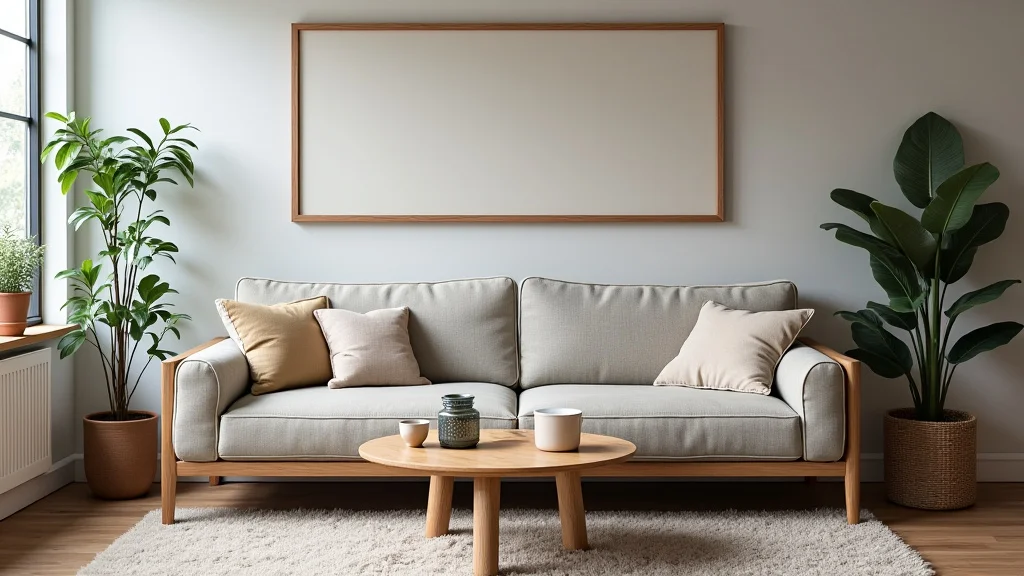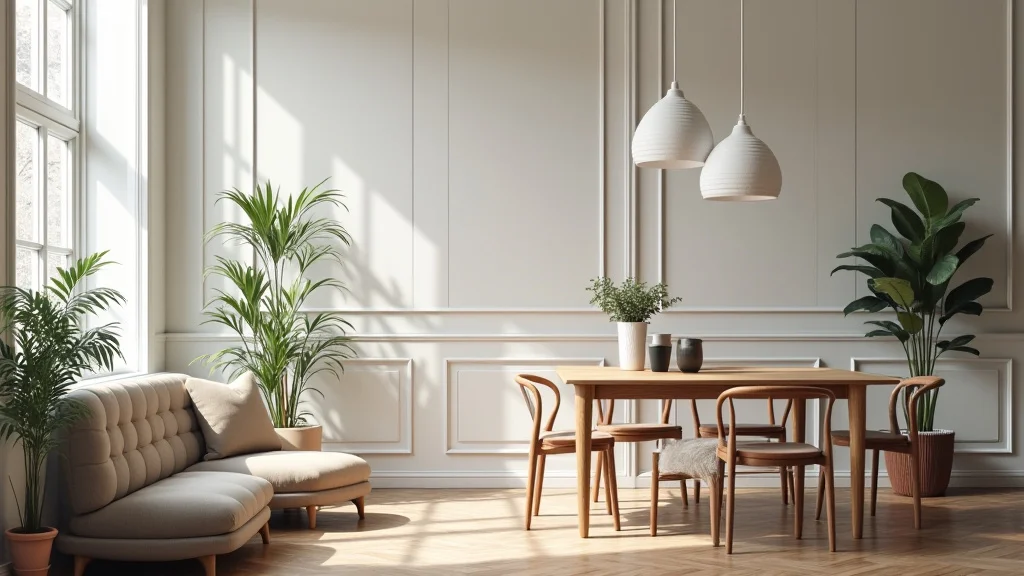
Remember that feeling when you first moved in? The blank canvas, the potential? Then, life happened. Furniture got rearranged, things piled up, and suddenly your space felt… uninspired. Don’t worry, we’ve all been there! This guide is packed with decorating tips to transform your home, regardless of your experience level. We’ll show you how to create an inviting and stylish environment without breaking the bank. You’ll gain practical knowledge and inspiration, boosting your confidence to redecorate. This will also ensure your home is stylish. Let’s make your home a place you love.
Key Takeaways
- Learn fundamental principles for effective room layouts.
- Discover budget-friendly ideas to refresh your rooms.
- Explore how colors and textures affect your spaces.
- Find simple tricks to maximize small areas.
- Gain confidence to express your personal style.
- Find simple ways to improve your home decor.
Fundamental Principles of Good Decorating
Before you even think about paint colors or furniture placement, you need to understand the core elements. This section will explore the basic concepts of interior design, like balance, proportion, and rhythm. These principles will act as your foundation, ensuring your space is visually appealing and harmonious. We’ll explore them in depth, making them easy to apply, regardless of your home’s size or style. Proper use of these principles avoids common design pitfalls, leading to a space that feels calm and well-considered.
The Power of Balance in Decor
Balance is a fundamental design element; it creates visual stability in a room. Think of it as how weight is distributed in a space. There are three main types: symmetrical, asymmetrical, and radial. Symmetrical balance uses mirroring, for example, two matching sofas facing each other. Asymmetrical balance uses different items of equal visual weight, such as a large sofa balanced by several smaller pieces. Radial balance focuses on items arranged around a central point. For example, a dining table with chairs. Choosing the right balance will influence the feel of your room, from formal to casual.
- Symmetrical Balance: This involves creating a mirror image. It offers a formal and classic feel. It’s effective in larger rooms, as it requires more space to execute. Imagine two identical lamps on a side table.
- Asymmetrical Balance: This is a more casual and dynamic approach. It uses unequal elements. The visual weight is balanced rather than the exact arrangement. Think of a large sofa counterbalanced by a gallery wall and a floor lamp.
- Radial Balance: This is achieved when items are arranged around a central point. Imagine a dining room table with chairs. This creates a focal point.
Symmetrical balance works well for areas that benefit from order and tradition. Consider using this design in living rooms or formal dining areas. It’s often easier to achieve than asymmetrical balance, as you replicate elements. For example, matching furniture, artwork, or decorative objects. However, be careful as it can lead to a less dynamic space if overdone.
Asymmetrical balance is ideal for creating interest. This design style brings personality. It allows for a more eclectic feel. It is achieved by combining different items with similar visual weight. This approach is more flexible, making it ideal for smaller spaces or rooms with existing architectural features.
Radial balance is ideal for creating a focal point and is often used in dining rooms. It is a good choice for spaces with a natural center point, like a fireplace. It can also bring a sense of flow and cohesion, drawing the eye to the central element. This type of balance is highly effective in promoting conversation and interaction.
Proportion and Scale in Interior Design
Proportion refers to the size relationship between elements within a space, and scale considers how those elements relate to the overall dimensions. A room’s impact is greatly affected by these factors. For example, a tiny room with oversized furniture will feel cramped, while a large room with undersized furniture may feel empty. A good understanding of proportion and scale is key to achieving a balanced and comfortable interior. We can explore these concepts further with practical examples.
- Understanding Room Size: Assess the dimensions of your room. Measure the length, width, and height. This will determine the furniture size needed. A large room can accommodate a larger sofa.
- Furniture Selection: Pick furniture that fits the room. It should leave space for movement. For example, a large sectional sofa can feel overwhelming in a small living room. In contrast, smaller chairs may get lost in a spacious area.
- Artwork and Accessories: Use artwork and accessories that are proportional to the room. A small piece of artwork may get lost on a large wall. Conversely, a large painting can feel overwhelming in a tiny space.
Understanding your space is the first step to good scale. Measure your rooms and note the ceiling height. This will inform your choices, preventing the use of items that are too large or too small.
Choose furniture that complements your room’s dimensions. For a smaller room, choose multi-functional pieces. These include a storage ottoman. In larger spaces, think about breaking up the area. A large rug can help define a seating area.
Artwork and accessories are important. This adds personality. Scale is important here. Match the size of the art to the size of the wall. Avoid cluttering smaller areas. Instead, choose fewer, more impactful items.
The Rhythm of Interior Design
Rhythm is how the eye moves throughout a space. This is achieved through repetition, progression, transition, and contrast. Think of it as the visual flow that gives a space life and energy. It helps to tie different elements together. A sense of order and structure is created. Implementing rhythm effectively ensures that a room feels cohesive and easy on the eyes. We’ll look at the different ways to create rhythm.
- Repetition: Using the same color, shape, or texture throughout the room. For example, repeating the color blue in throw pillows, artwork, and curtains.
- Progression: Gradually increasing or decreasing an element. For example, varying the size of frames in a gallery wall.
- Transition: Smoothly moving the eye from one area to another. This can be achieved through color, texture, or pattern. For example, using a rug to link the living and dining areas.
- Contrast: Using different elements to create visual interest. For example, mixing light and dark colors. It may be using different textures to make a space feel vibrant.
Repetition provides a sense of cohesion and order. It gives a space a polished look. You can use this by repeating a color. Doing so connects different items visually. Repeat a pattern on fabrics, or use a particular shape in lamps and accessories.
Progression adds interest and movement to your space. You can use it by varying the size of an item. Start with smaller items, and then gradually increase their size. This creates a visual journey. It keeps the eye engaged.
Transition provides a smooth flow from one element to the next. The best ways to use transition are with colors and textures. This ensures a cohesive look, avoiding jarring transitions. It makes your space feel more unified.
Contrast generates excitement and prevents monotony. Combining light and dark tones is an example. Contrast is essential for creating depth and interest. This keeps the space from feeling flat. Use it to highlight key features.
Budget-Friendly Decorating Tips for Home Makeovers
Decorating doesn’t require a huge budget. This section will look at several cost-effective ideas. We’ll explore quick and easy ways to refresh your space. From DIY projects to smart shopping strategies, these decorating tips will help you get the most out of your money. You will explore affordable ways to inject personality. You can update your home on a budget.
DIY Projects to Elevate Your Space
DIY projects are a great way to personalize your home while saving money. They are also a satisfying way to express creativity. These projects will offer simple ideas you can easily implement. From creating your artwork to updating old furniture, we’ll explore accessible DIYs. These ideas allow for a customized look. They also provide opportunities to reduce waste by repurposing existing items.
- Paint and Refurbish Furniture: Give old furniture a new life. Paint an old dresser a fresh color. Sand and stain a table to create a modern look.
- Create Your Wall Art: Making your own wall art is fun and rewarding. Consider using abstract canvases, or make a gallery wall. Frame your photos for a personal touch.
- Sew New Throw Pillows and Curtains: Sewing is a great way to customize your decor. Choose fabrics that reflect your taste. Sew new throw pillows and curtains.
This is a cost-effective way to update your home. Painting is easy and cheap. Sanding and staining can improve the look. Make sure to prep the furniture correctly. Also, make sure to choose paint that’s appropriate for the surface.
Making your art is cheaper than buying. You can customize the look to match your space. Experiment with different materials. This adds texture. You also get a unique look.
This is a great option for people with some sewing experience. It allows for control of color and style. You can also match the existing items. You can often buy fabric on sale. This saves money compared to buying ready-made items.
Smart Shopping Strategies for Home Decor
Buying smart involves making informed decisions. This allows you to stay within your budget. You can get quality items. You can also maximize your home’s impact. This part highlights strategies. These help you find great deals. We will explore where to shop, timing your purchases, and making smart choices. This will allow you to make your home look stylish.
- Shop at Thrift Stores and Flea Markets: You can find unique items for less. You can buy furniture, home décor, and art.
- Take Advantage of Sales and Discounts: Watch for seasonal sales and clearance events. Also, check for online discounts and coupons.
- Consider Repurposing and Upcycling: Instead of buying new items, repurpose things. Turn an old ladder into a bookshelf, or old jars into vases.
Thrift stores offer low prices. They let you find unique pieces that fit your style. Be prepared to spend time looking. You may need to clean or upcycle items. This can be rewarding and allows customization.
Sales are a good way to save money. Be flexible with your purchases and shop during off-peak times. Subscribe to newsletters from your favorite home decor stores. This helps to get notifications about sales.
Repurposing and upcycling reduces waste. You can create unique items. This allows you to showcase your creativity. You can save money and customize your items.
Repurposing and Maximizing Existing Items
You can refresh your home on a budget by using what you already have. This is a sustainable approach. It reduces waste. This section will explore the creative ways to reuse things. You can transform old items. These include furniture, décor, and accessories. These will give a fresh look to your home.
- Rearrange Your Furniture: Try a new layout. Change the feel of the room. Moving your furniture can create a fresh look.
- Refresh Existing Accessories: Change the look of items with paint or fabric. You can paint old vases. Use fabric scraps for new throw pillows.
- Create New Functions for Old Items: Repurpose items to make new ones. You can turn an old ladder into a bookshelf. Transform old jars into vases.
This is the easiest and cheapest option. Try to make the room more functional and visually appealing. You can test out different layouts. See what works best with your space.
Refreshing your accessories is an inexpensive way to update your home. Look around your home for items you can upcycle. Using a fabric can add a new texture to your home.
Using old items reduces waste. It adds character to your home. Get creative. You can easily give new life to items you no longer use.
The Impact of Color and Texture on Your Space
Color and texture are powerful tools. They create mood and atmosphere in any room. This section explains how to use color palettes. It describes the different textures that can be incorporated. You can transform your space. You can also create a feeling of harmony and style. By understanding color psychology, and knowing the texture types, you can create a personalized space. This shows how to choose your desired atmosphere.
Choosing the Right Color Palette
Color affects your mood. It also changes how a room looks. The colors you choose can make your space feel larger. It can also create a cozy environment. This section gives guidance on selecting the perfect palette for your needs. We’ll explore color schemes, the psychology behind different colors, and how to combine them effectively. Consider your home’s natural light and the feel you want to create.
- Understand Color Schemes: There are various color schemes. You can use complementary, analogous, or monochromatic schemes. Complementary colors are opposite on the color wheel. Analogous colors are next to each other. Monochromatic uses different shades of the same color.
- Consider Color Psychology: Different colors can evoke specific emotions. Blue suggests calmness. Red can energize. Green may create a feeling of balance. Choose colors that match your mood.
- Experiment with Undertones: All colors have undertones. These are subtle hues that can shift the overall appearance. Understand undertones for a well-balanced room. For example, a blue might have green or gray undertones.
Choosing the right color scheme is essential. This can influence the mood. It can also impact the aesthetics of a room. For a calm vibe, use analogous colors. For contrast, complementary colors are a great choice.
The study of colors is known as color psychology. It helps you understand the impact of colors. Consider what mood you want to create. This can influence the colors you pick. It will impact how you feel in the space.
Undertones help to make sure that the colors harmonize. Undertones are the subtle colors that are hidden in the background. Pay attention to the undertones when you choose colors. This makes the space feel cohesive.
Incorporating Texture for Depth and Interest
Texture adds depth and interest to a room. It adds a sensory element. Think of the different fabrics, finishes, and materials you can use. This section gives various ideas to bring texture into your space. These range from textiles to natural elements. We will explore how to mix and match textures. This will result in a visually appealing and inviting design.
- Textiles and Fabrics: Use different textures to add interest. You can use velvet, linen, and wool. Layering pillows and blankets adds warmth.
- Natural Elements: Bring in natural textures, such as wood, stone, and plants. These create a connection to the outdoors. Use wood furniture or a stone fireplace.
- Mix and Match Textures: Combining different textures is key. For example, mix smooth and rough textures. Layering textures is key to a balanced look.
Textiles can easily transform the look and feel. They can change the mood. Experiment with the different textures. For example, use velvet on a sofa. Linen can be used for curtains.
Natural elements add warmth and organic feel. They give a contrast to smooth surfaces. They also bring a sense of calm. Consider adding wooden furniture, plants, and natural fibers.
Mixing and matching creates a visually dynamic space. Try to balance the textures. Avoid using too much of one texture. For example, combine a smooth sofa with a textured throw.
The Impact of Light and Shadow
Lighting greatly impacts the ambiance of your space. This section will explore the types of lighting. You can also discover the effect light has on color and texture. From natural sunlight to artificial lighting, we will explore the different ways to use them. You will discover how to create a well-lit and welcoming environment. This makes your home a relaxing space.
- Natural Lighting: Maximize natural light. It is healthy and can make a room feel larger. Use light curtains and mirrors. These will reflect light.
- Ambient Lighting: Use ambient lighting. This is the main source of light. Install ceiling lights or floor lamps. This creates a balanced lighting scheme.
- Task and Accent Lighting: Task lighting offers illumination to specific areas. Accent lighting highlights certain aspects. These are good additions to the home.
Natural light enhances the mood. It also improves your well-being. Maximize the amount of natural light in your home. This will make your home feel bright and airy.
Ambient lighting is the base layer. Choose the style of lights based on the room’s function. Ensure the lighting spreads evenly. This prevents harsh shadows. Use dimmer switches for flexibility.
Task lighting makes specific tasks easier. For example, a desk lamp. Accent lighting spotlights artwork. This allows you to customize the lighting. You can emphasize key elements.
Making the Most of Small Spaces: Decorating Tips for Tiny Homes
Living in a small space requires smart design choices. These decorating tips will help you create a functional and stylish home. This section will explore space-saving furniture. It also offers organization solutions. We will explore various design techniques that create the illusion of more space. Your home will feel both spacious and stylish. This is a guide to maximizing small spaces.
Space-Saving Furniture and Layouts
Small spaces need smart furniture. You should choose furniture that is multi-functional and compact. This section will cover the best furniture and layouts. From storage beds to expandable tables, these choices ensure that your home stays functional. You will discover practical ways to maximize space. We will also explore layouts for small rooms.
- Multi-Functional Furniture: Choose furniture that serves multiple purposes. For example, use a storage bed or a sofa bed. This can save space and add storage.
- Vertical Storage: Maximize vertical space with tall bookshelves. This helps to make the room feel larger. Also, use floating shelves for storage and display.
- Strategic Layouts: Plan the layout for the space. Make sure to choose the furniture scale that works. A well-planned layout can make the room feel more spacious.
Multi-functional furniture is a good solution for small spaces. These pieces provide additional functionality. They reduce clutter. These can also contribute to a clutter-free look. You should measure your space carefully before you buy furniture.
Vertical storage is essential for small homes. It helps to keep items off the floor. Maximize the use of the walls. Use tall bookshelves. Install floating shelves. This gives ample storage without taking up floor space.
A good layout is vital for small spaces. Consider the flow of movement. Place furniture that doesn’t block walkways. You can create different zones. This will enhance the functionality of the space.
Organization Solutions for Small Spaces
Effective organization is crucial for small spaces. This section will offer practical solutions. These will keep your home tidy and functional. These include smart storage solutions. It will also explore decluttering strategies. The space will feel clutter-free. This ensures that every item has its place. This makes the space look clean and organized.
- Storage Solutions: Use storage boxes. They are ideal for under-bed storage. This keeps items hidden. You can also use baskets.
- Decluttering Tips: Regularly declutter. Get rid of the items you no longer use. This creates a clean and organized space.
- Maximize Wall Space: Use wall space for storage. Install shelves. Use hooks to store items. This helps free up floor space.
Smart storage is a key aspect of small-space living. You can use bins or boxes. These are also ideal for items. These can be stored under the bed or in closets. You can also maximize vertical storage with shelves.
Decluttering can increase space and promote a sense of calm. Sort through your items to decide what to keep. You can donate or give away unnecessary items. You can also create a regular decluttering schedule.
You can get creative with wall storage. You can mount shelves or use hooks to maximize the wall. You can hang items like towels and coats. You can also add floating shelves for storage.
Design Techniques to Expand Visual Space
You can make small spaces feel bigger. This section explores different techniques to create an illusion. We’ll show you how to use mirrors. You can also paint colors to improve visual space. These techniques will create a sense of openness. They will also create an inviting atmosphere.
- Use Mirrors: Use mirrors to reflect light. You can make a small room look larger. Place them across from windows.
- Paint Colors: Choose light, bright colors. They can make the room feel larger and more airy. Use white or light shades of grey.
- Minimalist Decor: Embrace minimalist decor to reduce clutter. This will make your room look more spacious. Use fewer accessories.
Mirrors are a good tool for small spaces. They reflect light. This creates the illusion of more space. Use large mirrors. You can use mirrors as decor.
Light colors enhance the space. They make it feel open. You can use light colors on walls and ceilings. This makes a room feel more spacious.
Minimalist decor can enhance the feeling of space. You should limit the number of items. This promotes a feeling of spaciousness and order.
Common Myths Debunked
Myth 1: You Must Spend a Lot of Money for Good Design
The biggest myth about interior design is that it requires a lot of money. You don’t have to spend a fortune. High-quality design can be achieved on a budget. By using smart shopping strategies, DIY projects, and repurposing items, you can create a beautiful home.
Myth 2: Small Spaces Must Be Painted White
Although light colors work well in small spaces, this is not the only choice. You can add color and personality. Using the right techniques can create the illusion of spaciousness. Don’t be afraid to use color. This makes the space feel personalized.
Myth 3: Following All Trends Is Necessary for a Stylish Home
The truth is that trends come and go. A stylish home reflects your personal taste. You do not need to follow every trend. Focus on decorating in a way that resonates with your style. Doing so makes your home unique.
Myth 4: Dark Colors Make a Room Feel Smaller
Dark colors do not always make a room smaller. They can add depth. If you combine dark colors with the right lighting and contrast, you can make the room look stylish. Also, it can make it feel cozy and inviting.
Myth 5: All Furniture Must Match
Your furniture does not have to match exactly. This can make the room feel boring. Embrace the mix-and-match approach. Doing so adds character. Be sure the furniture shares a common element. Doing so will make the space cohesive.
Frequently Asked Questions
Question: How do I choose the right paint color for my room?
Answer: Think about the natural light. Consider the mood you want. Then, try samples of paint on the wall. See how they look at different times of the day.
Question: How can I create a focal point in a room?
Answer: You can use art. You can use a fireplace or an accent wall. Use a feature to draw attention.
Question: How can I make a small room feel bigger?
Answer: Use mirrors. Use light colors. You can also minimize clutter.
Question: What is the best way to arrange furniture in a living room?
Answer: Think about how you use the space. Create a focal point. Ensure walkways are clear. Maintain a balance.
Question: How often should I declutter my home?
Answer: Regularly, it depends on your lifestyle. A good rule of thumb is at least every season.
Final Thoughts
Decorating your home doesn’t have to be hard. The best decorating tips are the most practical. Remember the fundamentals of design. Experiment with color, texture, and light. There is no one-size-fits-all approach. Embrace your personal style and have fun. Start small. Try a DIY project. Rearrange your furniture. The best part is the process. When you begin, you can make your home a place you love. Enjoy the journey. Your stylish, inviting home is waiting for you!