Picture this: you walk into your living room, and something just feels. off. A throw pillow doesn’t quite match, the art on the wall feels incomplete, and your favorite armchair seems to be missing something. Suddenly, the urge to rearrange, refresh, and reimagine strikes. Sound familiar? Many of us get the decorating itch, and some of us become addicted 2 decorating, constantly seeking ways to improve and personalize our living spaces. This guide will explore the joys and strategies of decorating, providing you with practical tips and inspiration to transform your home. You’ll learn how to start your decorating projects, choose the right style, and create spaces you’ll love. Get ready to enhance your design skills and create the home of your dreams.
Key Takeaways
- Discover the benefits of creative home decor for personal satisfaction.
- Learn how to choose and apply a personal decorating style.
- Understand the importance of planning and budgeting for decorating projects.
- Explore different decorating ideas and practical solutions for various spaces.
- Find inspiration from real-life decorating examples and case studies.
- Gain confidence and motivation to start your own decorating projects.
The Allure of Interior Design and Decorating
The moment you step into a well-decorated space, you feel the difference. It’s more than just a place to live; it’s a reflection of your personality, a haven for relaxation, and a source of daily inspiration. Many people find themselves drawn to the process of decorating, finding joy in selecting colors, textures, and furniture that bring their vision to life. This section will explore the initial steps to help you fall in love with your own interior design style.
The Psychology Behind Decorating
Decorating is more than just aesthetics; it deeply affects our mood and well-being. Colors, arrangement, and personal touches can shape how we feel within a space. For example, calm colors like blues and greens in a bedroom can promote relaxation, while vibrant colors like reds and oranges in a dining area can stimulate energy and conversation. The act of decorating also brings a sense of accomplishment and pride. Personalizing your home allows you to express your identity, creating a physical space that resonates with who you are.
- Boosting Mood: Certain colors and decorations can trigger positive emotions.
- Creating Comfort: Personal items and a well-designed layout foster a sense of belonging and security.
- Enhancing Creativity: Designing spaces promotes creative thinking and problem-solving skills.
- Reducing Stress: A calm and organized home can significantly reduce stress levels.
Identifying Your Personal Style
Before you start buying furniture or paint, taking the time to define your style can streamline the entire decorating experience. This doesn’t mean you have to stick to one specific style all the time; instead, combine different elements you love. Consider the architecture of your home, the functionality of the space, and the overall feel you want to create. Collecting images of interiors you like, whether it’s from magazines, online platforms, or real-life visits, and creating a mood board can help you find common themes in your preferences.
- Assess Existing Decor: Analyze what you currently own and what you love about it.
- Gather Inspiration: Collect images and ideas from various sources to define what appeals to you.
- Consider Functionality: Think about how you use each room and what needs to be most useful.
- Experiment with Colors: Try out color palettes that reflect your personality and style.
The Essentials of Room Layout and Space Planning
One of the first steps involves visualizing the arrangement of furniture within a room. This includes the placement of large pieces such as sofas, beds, and dining tables, as well as the flow of traffic. The goal is to maximize functionality and create a harmonious balance. Make sure there is enough space to move between different areas of the room. A well-designed layout can make a small room feel larger and a large room feel more intimate. Consider the location of doors, windows, and other architectural features when planning.
- Assess Space: Measure the dimensions of your rooms and create a floor plan.
- Choose Focal Points: Identify the natural focal points like fireplaces or large windows.
- Traffic Flow: Ensure paths are clear and easy to navigate.
- Scale and Proportion: Select furniture that fits the size of the room and complements the space.
Essential Tools and Materials for Home Decor Projects
Having the right tools and materials is crucial for any decorating project. This helps ensure that your projects are done correctly, efficiently, and safely. Without proper tools and materials, you might face delays, frustration, and poor results. This section will equip you with essential items for a smooth and successful decorating experience. Before diving into your first project, create a list of tools and materials.
Basic Toolkit for Home Decorating
Every homeowner should have a well-stocked toolkit. These tools are the foundation for a wide range of decorating tasks. These include simple tasks, like hanging pictures, to more complex projects, like assembling furniture. Ensure these items are of good quality. A good toolkit will make your projects much easier and more enjoyable.
- Measuring Tape: Necessary for measuring rooms, furniture, and materials.
- Screwdrivers: Essential for assembling furniture, installing hardware, and other tasks.
- Hammer: Useful for a variety of tasks, including hanging pictures and assembling furniture.
- Level: Ensures that shelves, artwork, and other items are hung straight.
- Putty Knife: Useful for patching holes and applying spackle.
- Paint Brushes and Rollers: Necessary for painting walls, trim, and furniture.
Choosing the Right Paint and Finishes
Paint can transform your living space. Selecting the correct type of paint and finish is a key element in decorating. There are different types of paint, each with unique properties and best uses. A flat finish absorbs light, making it suitable for ceilings and less-trafficked areas. Satin and eggshell finishes are easier to clean and ideal for walls. Semi-gloss is perfect for kitchens and bathrooms. Paints also come in a variety of colors, so picking the right shade can create the perfect ambiance.
- Consider the Room: Choose paint that fits your needs.
- Test Colors: Try samples before committing.
- Understand Finishes: Know the different finishes for different uses.
- Prepare Surfaces: Prep the surface before applying any paint.
Preparing Your Space: Surface Prep and Protection
Before you start any decorating project, proper preparation is essential. Prepare the surface for painting, wallpapering, or installing new flooring. Protect your furniture and floors from spills or damage. These steps not only improve the finished result but also protect your belongings and save you time and money in the long run. Proper surface preparation guarantees that the new decorations will look their best.
- Cover Furniture: Protect your furniture from paint, dust, and other materials.
- Protect Floors: Use drop cloths or plastic sheeting to cover flooring.
- Clean Surfaces: Remove dirt and debris before painting or applying wallpaper.
- Repair Damage: Fill holes, cracks, and imperfections to create a smooth surface.
Creative Decorating Ideas for Different Spaces
Decorating doesn’t stop at painting the walls and adding furniture. There is an endless opportunity to enhance each room in your home. From living rooms and bedrooms to kitchens and bathrooms, each space has its own unique decorating possibilities. This section will explore some creative ideas. Explore ways to create beautiful spaces that match your lifestyle and aesthetic.
Decorating Living Rooms for Comfort and Style
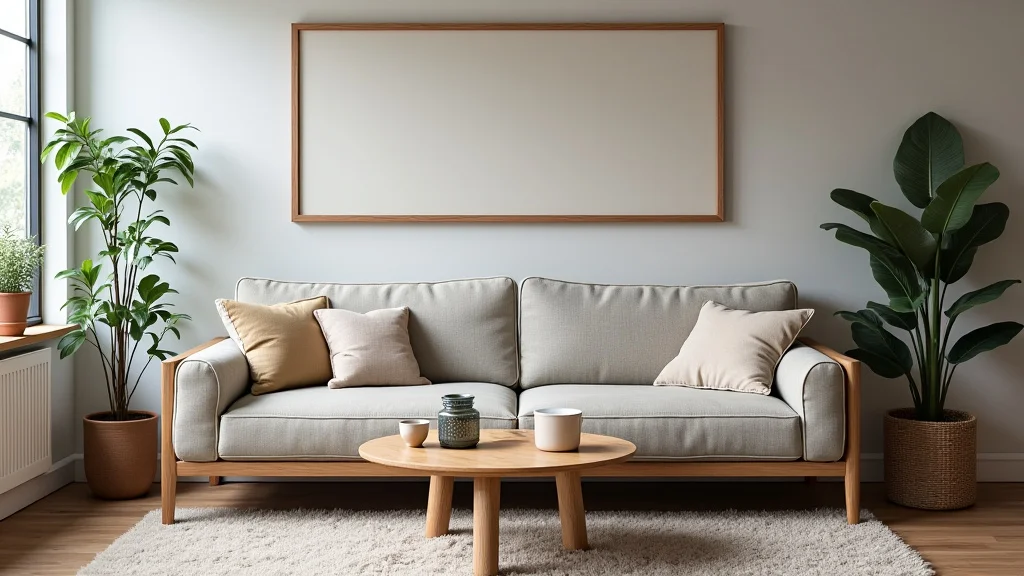
Your living room is where you spend much of your time, so it should be a place where you feel relaxed and inspired. This involves selecting comfortable furniture, arranging the layout to create a cozy atmosphere, and adding decor elements that reflect your personality. Focus on combining comfort with functionality to achieve a stylish and inviting space.
- Choose a Focal Point: Select a natural focal point, such as a fireplace or large window.
- Select Comfortable Seating: Choose sofas and chairs that match your style.
- Add Texture: Use a variety of textures, such as throws, pillows, and rugs, to add depth.
- Incorporate Lighting: Use a combination of ambient, task, and accent lighting to create the right atmosphere.
Designing Bedrooms for Rest and Relaxation
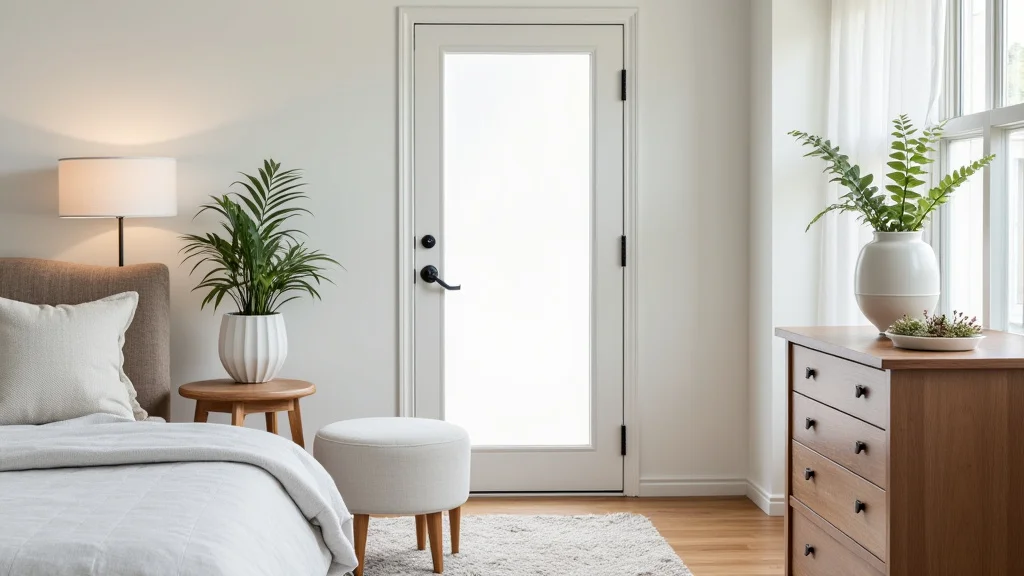
Bedrooms should be designed for rest and relaxation. Select calming colors, comfortable bedding, and incorporate personal touches that create a serene atmosphere. Optimize the layout to maximize space and functionality, creating a perfect sanctuary. Choose the right furniture, colors, and accessories to reflect your personal style and create a cozy retreat.
- Choose a Calming Color Palette: Select soft and calming colors for walls and bedding.
- Select Comfortable Bedding: Invest in high-quality bedding.
- Incorporate Storage: Maximize storage to keep the space organized.
- Add Personal Touches: Include items that reflect your personality.
Kitchen and Dining Areas for Functionality and Flair
Kitchens and dining areas are where we prepare food and eat meals. These spaces should be practical, functional, and visually appealing. Focus on organization, good lighting, and the right accessories to create spaces that are pleasant to cook and eat in. Choose the right colors, furniture, and decor that will make your kitchen or dining area welcoming and useful.
- Optimize Storage: Maximize storage space with cabinets and shelving.
- Enhance Lighting: Use task lighting and pendants for both functionality and aesthetic appeal.
- Add a Personal Touch: Incorporate decorative items that enhance the space’s character.
- Select Practical Materials: Choose materials that are easy to clean and maintain.
Addicted 2 Decorating: Budgeting and Project Planning
Having a well-thought-out plan and budget will save you stress and money. A good plan will help you complete projects, stay within your budget, and achieve the results you want. Consider the time you want to spend and the budget you want to stay within. This section will provide you with practical tips and strategies for successful project planning and budgeting. Without a plan, decorating can become overwhelming and expensive.
Creating a Realistic Budget
Before you begin, create a detailed budget that covers all the costs. Estimate the cost of materials, labor (if you’re hiring professionals), and any additional expenses, such as tools or delivery fees. Consider setting a contingency fund to accommodate unexpected costs or overruns. This will help you manage your funds effectively and stay on track. Using a spreadsheet or a budgeting app can help you track your spending.
- List All Expenses: Identify all project-related expenses.
- Research Costs: Price materials, labor, and other costs.
- Set a Contingency Fund: Include a buffer for unexpected costs.
- Track Your Spending: Record your expenses to stay within budget.
Planning Your Decorating Timeline
Create a realistic timeline that fits your schedule and the scope of the project. Break down each project into smaller, manageable tasks, estimating the time it will take to complete each. This helps you track your progress. Consider factors like material availability, any needed outside help, and your own schedule. This ensures your projects run efficiently. Create a schedule, set deadlines, and plan your time wisely.
- Break Down Tasks: Divide the project into smaller, manageable tasks.
- Set Realistic Deadlines: Estimate the time needed for each task.
- Account for Delays: Add buffer time for unexpected issues.
- Prioritize Tasks: Order tasks based on importance and dependencies.
Smart Shopping for Decorating
Find the best deals and save money. Research prices before you buy. Compare costs between different stores, both online and in person. Keep an eye out for sales, discounts, and promotions to save money. Buying used items or considering DIY projects can also save money. Making smart shopping choices will help you stay on budget and furnish your home.
- Compare Prices: Research prices across different retailers.
- Look for Sales: Buy during sales or holiday promotions.
- Consider DIY: Create projects that can save you money.
- Shop Used: Consider pre-owned items to save money.
Common Myths Debunked
Myth 1: You Need to Spend a Lot of Money to Decorate Well
Reality: While high-end decor can create beautiful spaces, it is not essential for success. You can still decorate in a lovely manner without breaking the bank. There are many affordable options available, such as shopping at thrift stores, using DIY projects, and repurposing items.
Myth 2: Decorating Requires Professional Help
Reality: While hiring a professional interior designer can be useful, it is not necessary. Many people successfully decorate their homes on their own by researching ideas, using online resources, and experimenting with various styles and techniques.
Myth 3: You Must Stick to a Single Decorating Style
Reality: You don’t have to stick to one specific style. Your home can blend different styles and elements to express your personal tastes. Many decorators mix and match styles to make their spaces feel unique.
Myth 4: Decorating Is a Quick Process
Reality: Designing and decorating is a time-consuming process that often requires thought and preparation. Decorating can take time to complete depending on the size of the project.
Myth 5: Small Spaces Cannot Be Decorated Well
Reality: Small spaces can be decorated to look great. You can use several techniques to maximize small spaces. Using space-saving furniture, clever storage solutions, and strategic color choices, can transform small spaces.
Frequently Asked Questions
Question: How do I choose the right color palette for my home?
Answer: Consider the room’s purpose, natural light, and your personal style. Test paint samples in different lighting conditions before committing.
Question: What’s the best way to plan a room layout?
Answer: Measure your space, create a floor plan, and experiment with furniture arrangement. Consider traffic flow and the focal point.
Question: How can I create a budget-friendly decorating project?
Answer: Shop sales, consider DIY projects, and repurpose existing items. Also, compare prices and look for used furniture.
Question: How can I find decorating inspiration?
Answer: Explore magazines, websites, and social media platforms. Visit model homes and open houses to gather ideas.
Question: What are some essential tools for decorating?
Answer: Measuring tape, screwdrivers, a hammer, a level, and paintbrushes are some of the most essential tools to have.
Final Thoughts
Becoming addicted 2 decorating is about more than just making a home look nice; it’s about crafting an environment that speaks to you, nurtures your spirit, and provides a space for life to unfold. Throughout this guide, we’ve explored the initial steps of the decorating process, from identifying your personal style to budgeting and project planning. We’ve considered the psychology behind our preferences and found that the effort we put into decorating brings a rewarding sense of accomplishment. Remember, decorating is a form of self-expression. Don’t be afraid to experiment, try different ideas, and trust your instincts. The most crucial ingredient is to enjoy the process and create spaces that resonate with who you are.