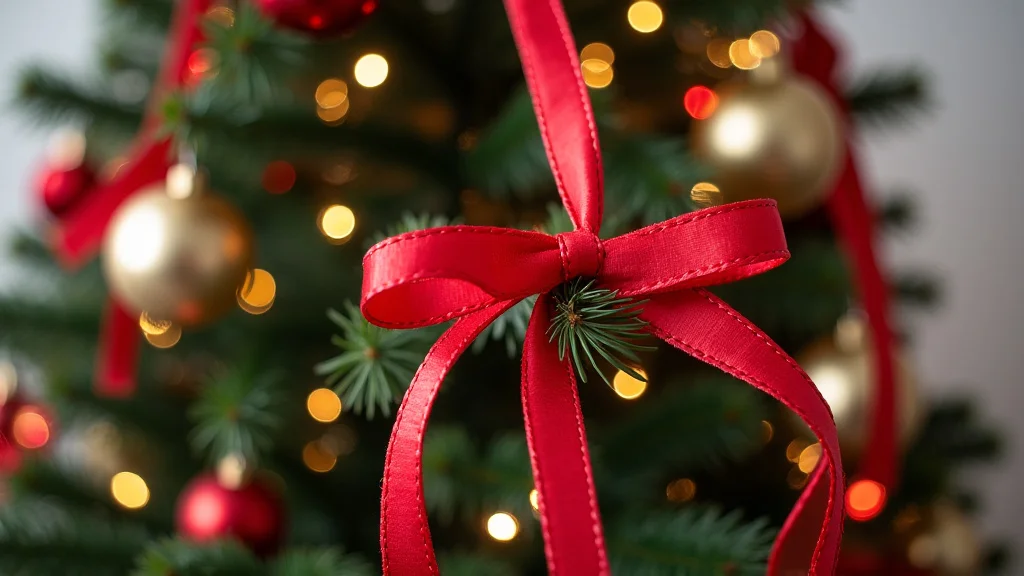
Ah, the holidays! Remember last year when you wrestled with that tangled ball of ribbon, desperately trying to get it just right on your Christmas tree? It was more of a chaotic mess than a festive display, wasn’t it? This year, let’s change that! This guide is packed with easy-to-follow tips and tricks to transform your tree into a stunning centerpiece. You’ll learn the best techniques for decorating christmas tree with ribbon, choosing the right ribbons, and achieving a professional-looking finish. Prepare to impress your family and friends and make your tree the star of the season!
Key Takeaways
- Learn different ribbon styles perfect for tree decorating.
- Discover the best methods for attaching ribbon to your Christmas tree.
- Understand how to choose the right type and width of ribbon.
- Find tips on how to coordinate ribbon with other tree decorations.
- Explore creative ways to integrate ribbon throughout your tree design.
- Gain inspiration for different decorating schemes with ribbon.
Choosing the Perfect Ribbons for Your Tree
The first step in decorating christmas tree with ribbon is selecting the right materials. The type of ribbon you choose will heavily influence the look and feel of your finished tree. Consider the overall style you want to achieve. Are you aiming for a classic, elegant look, or something more whimsical and fun? The color palette of your other decorations is a great starting point for selecting the ribbons. Think about how the ribbon’s texture and sheen will complement your existing ornaments.
Types of Ribbon and Their Characteristics
There are numerous types of ribbon available, each with its unique characteristics. Silk ribbons offer a luxurious look, with a gentle drape that adds an elegant touch. Velvet ribbons provide richness and depth, making them perfect for a traditional tree. Wired ribbon is a decorator’s favorite, as it’s easy to shape and manipulate, allowing it to hold its form beautifully. Sheer ribbons add a delicate and airy quality, which can make your tree feel light and bright.
- Silk Ribbon: Known for its luxurious feel and delicate drape. It adds a touch of elegance, but requires careful handling.
- Velvet Ribbon: Creates a feeling of richness and depth, ideal for a traditional or glamorous tree. It can be more costly but the effect is worth it.
- Wired Ribbon: The most versatile type. Its wire edge allows for easy shaping and holds its form well. Perfect for creating loops, bows, and cascading effects.
- Sheer Ribbon: Offers a light and airy quality, allowing the tree’s lights and ornaments to shine through. Creates a feeling of openness.
Choosing the right ribbon type will depend on your taste, the tree’s style, and budget. For instance, silk and velvet ribbons need extra care and preparation and are generally higher in cost. However, wired ribbon strikes the perfect balance between manageability and aesthetic value. Consider mixing different types to create an interesting visual texture. For example, use a wide wired ribbon as a base and add silk or sheer ribbons for accents.
Selecting Ribbon Width and Length
Ribbon width and length are critical for achieving the desired look. Wider ribbons (2-4 inches) make a bold statement and are ideal for creating dramatic bows or cascading effects. Narrower ribbons (less than 1 inch) are perfect for accenting and adding delicate details. The tree’s height and fullness also influence the quantity and length needed. A taller, fuller tree requires more ribbon. It is best to overestimate than underestimate.
- Ribbon Width: Wide ribbons (2-4 inches) are best for big bows and bold statements, while narrow ones add detail. Experiment with a variety of widths to add depth to your tree’s design.
- Ribbon Length Calculation: The amount of ribbon is determined by tree size, the method chosen, and desired fullness. A good estimate is around 10-15 feet per foot of tree height for a full, layered design.
- Tree Size Matters: A small tree can use less ribbon, whereas larger trees require more. Before purchasing, measure the height and circumference of your tree to estimate the needed ribbon.
- Method Impacts Length: Different techniques (e.g., cascading, vertical, looping) will require varying amounts of ribbon. Research methods and plan accordingly before purchasing.
To calculate the required ribbon, measure your tree’s height and estimate its fullness. A good rule of thumb is to allow for 10-15 feet of ribbon per foot of tree height, depending on the chosen style. For instance, a 7-foot tree could require between 70-105 feet. Buy more than you think you will need, to prevent running short. Consider the amount needed for bows, loops, or other embellishments. Remember, it is better to have extra than to run out mid-decorating. Consider having extra ribbon of different sizes and styles.
Methods for Decorating with Ribbon
There are several methods for decorating christmas tree with ribbon, each offering a distinct aesthetic. The cascading method creates an elegant, flowing effect, while the vertical method adds a structured and modern feel. The looping technique provides a whimsical look, perfect for a playful tree. The choice of method will depend on your style preferences and the overall look you aim to achieve.
Cascading Ribbon Technique
The cascading method involves draping ribbon from the top of the tree, allowing it to flow downwards in a gentle, graceful manner. It is a good choice for a classic, sophisticated aesthetic. This method allows the ribbon to weave naturally through the tree branches. You can use one or multiple ribbons and vary the distance between them for a fuller, more textured look. The result is a tree that appears both refined and inviting.
- Attachment: Start at the top, securing the ribbon end into the branches. You can use ornament hooks, floral wire, or simply tuck it into the branches.
- Draping: Allow the ribbon to cascade downward, creating gentle curves and loops between the branches. Do not pull the ribbon too taut.
- Spacing: Space the ribbon evenly around the tree to create a balanced look. The spacing can be close for a dense effect or wider for a more open style.
- Securing the Ends: At the bottom, secure the ribbon ends into the branches. You can tuck them, tie small bows, or use other decorative elements.
The cascading technique is very versatile. You can vary the thickness of the ribbon and the number of strands to create a look that matches your style. This method is visually attractive and easy to do, making it ideal for beginners. This is a classic and reliable method for using ribbon.
Vertical Ribbon Technique
The vertical method offers a modern and structured look, with ribbons running straight from the top to the bottom of the tree. This technique is perfect if you want to create a clean, organized aesthetic. It is suitable for trees with a more contemporary style, and it can add height and visual interest. Be careful to ensure the ribbons are evenly spaced for a balanced and professional look.
- Attachment: Begin by attaching ribbon to the top of the tree. Use hooks or wire to secure the ribbons securely.
- Spacing: Space the ribbons evenly, considering the tree’s circumference. Measure the distance to ensure a uniform layout, so that the ribbons are consistently spaced.
- Direction: Allow the ribbons to fall straight downwards. Avoid creating curves or loops.
- Securing Bottoms: Tuck the ribbon ends into the tree, secure them with ornament hooks, or add decorative elements at the bottom.
The vertical method is best for showcasing the ornaments and decorations. It is best used with wired ribbon, which will maintain its shape. Consider varying the width of the ribbon. A variety of textures and finishes will enhance the visual appeal. To add visual interest, add ornaments where the ribbons meet.
Looping Ribbon Technique
The looping method is an excellent choice for a whimsical and playful look. This approach involves creating loops and curves of ribbon throughout the tree. It is best for adding movement and personality, giving the tree a lighthearted feel. The looping technique works particularly well with wired ribbon because it allows you to form and maintain the loops. Experiment with different loop sizes and ribbon colors to create a unique display.
- Loop Creation: Create loops of ribbon, securing them to the branches with ornament hooks or by tucking them in. Vary the loop sizes for visual interest.
- Direction: Arrange the loops throughout the tree, in a random or deliberate pattern, depending on your style preferences.
- Color and Texture: Use a variety of ribbon colors and textures to enhance the appeal of the looping technique. Use contrasting colors to create a bold look.
- Fullness: Determine the desired fullness by the number of loops and ribbon used. Create a light and airy design, or a full and dense one.
When using the looping method, ensure the loops are securely attached to the branches. Remember to distribute the loops evenly throughout the tree. You can combine different widths and types of ribbon to build layers of visual interest. Use this method to create a tree that feels fun and festive.
Coordinating Ribbon with Other Decorations
Coordinating the ribbon with other decorations is important for achieving a cohesive and balanced design. Consider the colors, textures, and styles of your ornaments, lights, and tree topper to create a harmonious look. Choosing complementary colors and textures will enhance the overall visual appeal of your tree. For instance, if your ornaments have a metallic finish, consider adding metallic ribbon to echo that theme.
Color Palette Considerations
The color palette sets the tone for your tree’s design. Choose colors that complement your ornaments and create a visually pleasing display. You may opt for a monochromatic scheme, using different shades of the same color, or a contrasting scheme that incorporates colors from opposite sides of the color wheel. Pay close attention to the existing colors of the ornaments and lights on your tree. Choose ribbon colors that either match or contrast to ensure a balanced appearance.
- Monochromatic: Use different shades of the same color for a cohesive look. Use different textures to add interest.
- Complementary: Incorporate colors from opposite sides of the color wheel (e.g., red and green, blue and orange). This creates a dynamic, striking appearance.
- Neutral: If your ornaments are colorful, choose neutral ribbons (white, silver, gold, or cream) to provide balance.
- Coordination: Match ribbon colors with the color of ornaments. Or, coordinate the colors with the lights.
Choosing the right colors will tie all the elements together and make your tree a unified design. For example, if you have a tree full of gold ornaments, you might use gold or champagne-colored ribbon. If your ornaments are a mix of red and gold, consider red or gold ribbon. Be careful to choose colors that look good together.
Integrating Ribbon with Ornaments and Lights
Integrating the ribbon with the ornaments and lights is crucial to creating a cohesive design. The ribbon should complement the other decorations. When positioning the ribbon, arrange it between the ornaments and lights so that all elements are equally displayed. Consider how the ribbon will interact with the lights; sheer ribbons will allow the lights to shine through, while solid ribbons may provide a backdrop for the ornaments. You can add ornaments to the ribbon to match the overall design.
- Placement: Arrange ribbon among ornaments and lights. Make sure the ribbon does not obscure them.
- Texture: Use different ribbon textures to complement the textures of the ornaments.
- Light Interaction: Use sheer ribbon to let lights shine through and solid ribbon to give a background to the decorations.
- Attachment: Secure the ribbon, ornaments, and lights. Use ornament hooks or floral wire.
Choose ribbon that complements the existing decorations. If your ornaments are glittery, select a ribbon with a subtle sheen or glitter. If you have many delicate glass ornaments, balance them with a softer, matte ribbon. To incorporate lights, you can weave the ribbon around the string of lights or use the ribbon to help position them on the tree. Doing so will make the Christmas tree look more cohesive and balanced.
Adding Bows and Other Embellishments
Adding bows and other embellishments can enhance the visual appeal of your tree. The size and style of the bows should complement the tree’s overall design. Large bows create a dramatic effect and are better for larger trees. Smaller bows or other embellishments are perfect for adding delicate details. Experiment with different bow styles, such as classic loops, layered bows, or even cascading ribbon tails. Use embellishments, such as berries or ornaments, to decorate the bows.
- Bow Types: Experiment with bow styles to match the tree’s theme. Classic loops, layered bows, or ribbon tails can be used.
- Placement of Bows: Place bows strategically. Add them to the top, on branches, or at the end of cascading ribbon.
- Embellishments: Embellish bows with berries, small ornaments, or other decorative items. This will create dimension.
- Variety: Vary the size and style of bows throughout the tree. A variety can create an interesting, dynamic design.
When incorporating bows and other embellishments, consider the overall balance of the tree. Large bows work on larger trees, while smaller accents are better on smaller trees. Use a variety of bow sizes to add visual appeal. Add other embellishments, such as pinecones, berries, or other decorative items. This will add additional interest to the tree’s design and make it feel more personalized. Remember to secure the bows and embellishments securely.
Creative Ideas for Ribbon Placement and Use
There are limitless ways to use ribbon when decorating christmas tree with ribbon. Here are some innovative ideas for ribbon placement and use. These concepts will elevate your tree’s design, adding a unique touch that showcases your personal style. Consider the various methods and combinations to bring creativity to your tree design.
Ribbon as a Tree Topper Alternative
Instead of a traditional star or angel, use ribbon as a tree topper. This approach offers a unique and elegant look. Choose a wide, decorative ribbon and create a large bow at the top, or allow the ribbon to cascade down the tree like a waterfall. Use different types of ribbon or add embellishments. This creates a memorable and distinctive focal point.
- Bow Topper: Create a large, ornate bow using wide ribbon. This provides a traditional, festive look.
- Cascading Ribbon: Allow the ribbon to cascade down from the top like a waterfall. This looks elegant and simple.
- Layering: Use multiple ribbons of different widths and textures to add dimension and complexity.
- Embellishments: Attach ornaments, berries, or other decorative items to the ribbon for added flair.
A ribbon tree topper can be customized to match your tree’s theme and your style. For a classic tree, choose a velvet or silk ribbon in a rich color. For a modern tree, opt for a metallic or patterned ribbon. This will create a customized look that can be designed to match your tree’s style.
Incorporating Ribbon into Ornament Designs
Use ribbon as a design element for your ornaments. Add ribbon loops, bows, or streamers to existing ornaments. This gives them a more coordinated and unique look. Use ribbon to suspend ornaments from the tree, instead of traditional hooks or string. This will create a cohesive design. Choose ribbon colors that complement your ornaments, or make each ornament stand out.
- Hanging Ornaments: Use ribbon to hang ornaments. This enhances the tree’s aesthetic appeal.
- Ornament Accents: Add ribbon loops or bows to your existing ornaments. This unifies them.
- Streamers: Attach long ribbon streamers to the ornaments. This creates movement and depth.
- Coordination: Use ribbon colors that match the ornaments. This creates a more cohesive look.
Integrating ribbon into the design of your ornaments will make them look special. For example, add small ribbon bows to plain glass balls. Attach long ribbons to the backs of star ornaments. Customize the ornaments to suit the overall theme of your tree. This approach will make the tree look beautiful and personalized.
Creating Ribbon Garlands and Swags
Making ribbon garlands or swags is a great way to add visual interest. Create a garland by twisting or braiding multiple strands of ribbon together. Drape the garland around the tree in a flowing manner, or create swags by attaching ribbon to the branches. Vary the sizes of garlands and swags to add depth. Mix different ribbon textures and widths to create visual appeal.
- Twisted Garland: Twist multiple ribbon strands together to make a garland. This adds visual interest.
- Braided Garland: Braid multiple ribbon strands. This will create a unique design.
- Draping: Drape garlands or swags around the tree. This adds a flowing, elegant look.
- Variations: Vary the widths and textures of the ribbon. This enhances visual depth.
Garlands and swags can create a polished appearance. This technique provides opportunities for creativity. For a classic design, use a velvet or satin ribbon. To add a modern touch, consider using a metallic or patterned ribbon. Experiment with different styles and combinations to build a stunning, personalized design.
Common Myths Debunked
Myth 1: Wired ribbon is the only choice for a beautifully decorated tree.
While wired ribbon is incredibly versatile and makes it easy to shape and control the ribbon, it’s not the only option. Different ribbon types, like silk, velvet, or sheer, can also look great. The best ribbon depends on the look you want to achieve. Combining different types of ribbon can also add a unique texture to your tree.
Myth 2: You need to spend a lot of money to have a well-decorated tree.
False! While high-quality ribbon can be pricey, you do not need to spend a fortune. Look for sales, use coupons, and consider buying ribbon in bulk. Also, you can create a beautiful tree using less expensive options. The way the ribbon is used is more critical than the cost of the ribbon.
Myth 3: You have to be a professional to achieve a professional-looking tree.
That is not the case! With the right techniques and a little practice, anyone can decorate a beautiful tree. Follow the tips and methods described above, and take time to experiment with different techniques. The most important thing is to have fun and create a tree you love.
Myth 4: You can’t mix different colors and patterns of ribbon.
Mixing and matching can add depth and interest to your tree. Consider your existing decorations and the overall style you want to achieve. Choose ribbon colors and patterns that complement each other and create a cohesive look. Vary the widths of the ribbons you use to make it look interesting.
Myth 5: It’s hard to remove ribbon from a tree after the holidays.
Removing ribbon is usually easy, particularly if you use proper techniques. As you decorate, make sure you do not tangle the ribbon. When it is time to take the tree down, carefully remove the ribbon, starting from the top. Store the ribbon neatly so that it is ready for next year.
Frequently Asked Questions
Question: How do I measure the right amount of ribbon needed for my tree?
Answer: Measure the tree’s height and estimate its fullness. A good estimate is 10-15 feet of ribbon per foot of tree height. For example, a 6-foot tree might require 60-90 feet of ribbon.
Question: How do I keep the ribbon from slipping down the tree?
Answer: Use ornament hooks or floral wire to secure the ribbon to the branches. For cascading styles, gently tuck the ribbon into the branches at several points. For vertical designs, secure the top and bottom.
Question: Can I reuse the ribbon for next year?
Answer: Yes, carefully remove the ribbon after the holidays. Store it in a way to prevent tangling. Wind the ribbon around a piece of cardboard or a ribbon spool. Store in a cool, dry place.
Question: What’s the best type of ribbon for a beginner?
Answer: Wired ribbon is best for beginners because it’s easy to shape and holds its form. It is very versatile. It allows for experimentation with different styles.
Question: What do I do with the ends of the ribbon?
Answer: Tuck the ends into the tree branches, use ornament hooks or floral wire to secure them, or create small bows at the ends. Consider adding embellishments.
Final Thoughts
You’ve explored the secrets of decorating christmas tree with ribbon. You have many ideas for choosing the right ribbons, using various decorating methods, and coordinating the ribbon with other decorations. You know how to debunk common myths, ensuring that your tree will shine with seasonal style. It’s now time to transform your tree into a spectacular centerpiece that reflects your creativity and adds a touch of joy to your home. So, gather your ribbon, embrace your creativity, and get ready to design a tree that will become the talk of the season. Merry decorating!