Picture this: you walk into your office every morning, and instead of feeling drained, you’re energized. The atmosphere just clicks. It’s welcoming, reflects your brand, and most importantly, it inspires you and your team. That’s the power of decorating office space. Whether you’re in a shared workspace, a startup, or a corporate environment, the design impacts productivity and morale. This post explores creative ways to transform your workspace. You’ll find fresh ideas to elevate your office environment, making it a place where you genuinely want to spend your workday. The aim is to give you practical, budget-friendly options that can revitalise your space, boosting your team’s creativity. We’ll explore practical approaches and insights. This blog will equip you with knowledge to turn your workspace into an environment that drives success, increasing your time on page and hopefully decreasing the bounce rate!
Key Takeaways
- Learn how to create a more productive and engaging workspace.
- Discover cost-effective decorating tips to enhance your office’s aesthetic.
- Understand the importance of incorporating brand identity into your office design.
- Explore creative ideas to boost employee morale and teamwork.
- Find insights on integrating functionality with style.
- Get inspired to transform your current office setting.
Designing a Functional and Inspiring Workspace
The office environment is more than just a place to work; it’s a reflection of your brand, values, and company culture. A well-designed office can significantly boost employee morale, increase productivity, and even enhance your company’s image. Many business owners are missing opportunities to inspire staff. Creating a functional and inspiring workspace involves careful planning and consideration of various elements, including layout, color schemes, lighting, and furniture. A great office is designed with the user in mind. Consider how employees utilize their space and how design choices can support their work. This involves balancing aesthetics with practicality, ensuring that the office is both visually appealing and conducive to getting work done. It also means incorporating aspects that promote employee well-being, such as comfortable seating, natural light, and access to outdoor spaces, to support comfort.
Creating the Right Layout
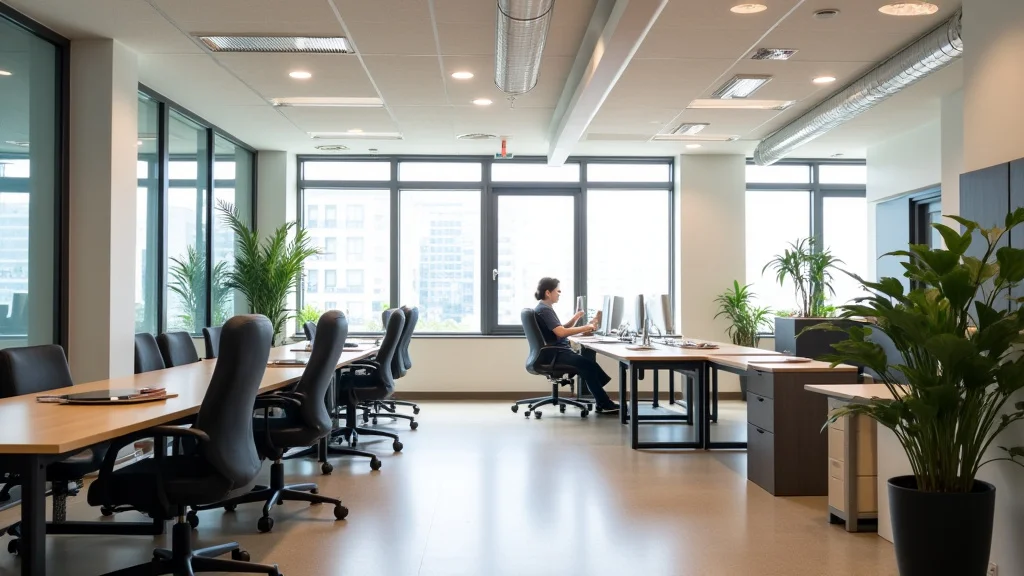
The layout of your office is the foundation of its functionality. A well-considered layout can improve workflow, encourage collaboration, and create a positive work experience. Consider the activities that take place in your office. Are some departments or teams more collaborative than others? Do you have spaces designed for focused individual work? The layout should support these needs. Consider open-plan areas for team meetings and collaborative work, as well as private spaces for focused tasks. Think about the flow of movement. This means minimizing bottlenecks and ensuring that employees can move easily through the space. The arrangement of furniture and equipment should support efficiency and reduce distractions. Consider the placement of desks relative to windows for natural light and views.
- Open-plan offices: These promote collaboration and communication, making it easy for teams to connect and share ideas. However, to balance the benefits, you’ll need to think about privacy. Consider using low partitions or designated quiet zones to allow for focused work. These arrangements can often create a more informal and communicative work environment, which many employees enjoy.
- Private offices: Private offices provide privacy and focus, making them suitable for tasks that require concentration or confidentiality. These are especially useful for managers, or employees who deal with sensitive client information. Using private offices can create a sense of importance for the employees using them.
- Hybrid workspaces: These blend open-plan and private office setups, offering flexibility to employees. They allow for a variety of work styles and can be adapted to accommodate team needs. A hybrid design offers flexibility, which makes the layout useful for a wide array of activities.
- Consider Traffic Flow: Efficient traffic flow reduces congestion, allowing for quick movement throughout the office. Think about placing high-traffic areas, such as the break room and reception, in accessible locations.
Color Schemes and Their Effects
Color has a significant impact on mood and productivity. The right color scheme can make your office feel more inviting, focused, and aligned with your brand. Choose colors that complement your brand and the work your company does. Using light and airy colors can boost a sense of space and openness, while warmer tones create a cozy environment. When selecting colors, consider the overall feel you want to create and how it will affect your staff. The colors you choose should reflect your business’s values and brand identity, establishing a cohesive and recognizable atmosphere. The key is to find the perfect balance that fosters productivity and reflects your brand. You can use color to designate zones. You could have a separate area with bright colors for collaboration, while the work zones feature more neutral tones. The colors used impact your company’s image.
- Blue: Often associated with calmness and productivity, blue is an excellent choice for offices. Research shows that blue can boost focus and reduce stress levels.
- Green: Green promotes creativity and tranquility, making it a useful color to incorporate. Studies have shown that employees perform better in green environments.
- Yellow: Yellow can boost energy and excitement. It is great for collaborative areas or spaces that need a bit of a lift.
- Neutral Colors: Neutral colors such as white, gray, and beige provide a clean and professional appearance. They make excellent backgrounds for adding pops of color through artwork and furniture.
Lighting and Its Impact on the Workspace
Lighting is a pivotal aspect in office design, directly affecting employee well-being and productivity. The right lighting design can decrease eye strain, improve alertness, and create a comfortable work atmosphere. Consider the use of both natural and artificial light. Natural light is always preferable. Place desks near windows to take advantage of natural sunlight. For areas with limited natural light, choose artificial lighting that mimics daylight. Ensure that the light is consistent. Avoid harsh fluorescent lights that can cause headaches and fatigue. The intensity and type of lighting should be appropriate for different areas of the office. Create zones with adjustable lighting to cater to different tasks and employee preferences. The way the light shines on the office impacts the atmosphere.
- Natural Light: Natural light is a great way to boost mood and productivity. It can also reduce the need for artificial lighting, saving energy and decreasing your carbon footprint.
- Artificial Light: Artificial light should supplement natural light and provide ample illumination for various tasks. Task lighting, such as desk lamps, can be used for individual workstations, allowing employees to adjust the light according to their needs. Ambient lighting provides overall illumination, setting the mood for the office.
- Light Fixtures: Select light fixtures that are both functional and stylish. Consider the design of the lights and how they complement the overall aesthetic of your office.
- Light and Color Temperature: The color temperature of light can influence mood and focus. Warmer light, such as that provided by incandescent bulbs, is more relaxing and suitable for break rooms. Cooler light, such as that from fluorescent bulbs, can boost focus and is better suited for work areas.
Incorporating Brand Identity Through Design
Your office should be an extension of your brand identity. It’s an opportunity to showcase your brand’s values, mission, and culture. Use design elements that reflect your brand’s personality to create a cohesive atmosphere. When decorating office space, the goal is to make a statement about your company and what it stands for. You can use the physical space to tell your brand’s story and create a visual experience that employees and clients will remember. Integrating brand elements into the office creates a strong connection between your internal culture and external brand image. You can use your brand colors, logos, and mission statement in creative and subtle ways throughout your office. For instance, incorporate your brand colors into your office walls, furniture, and decor. Display your logo in prominent areas, such as the reception area and meeting rooms. The goal is to create a consistent brand experience.
Using Your Brand Colors
Colors are one of the most powerful elements of brand identity. They influence emotions, perceptions, and recognition. Choose colors that match your brand’s logo and messaging, as well as the industry you’re in. Using your brand colors throughout your office creates a unified and easily recognizable environment. You can paint walls, select furniture, and incorporate accessories in your brand’s colors. Don’t be afraid to experiment with different shades and tones of your brand colors to create visual variety and interest. If your brand has multiple colors, incorporate them strategically to create zones and highlights. For example, use your primary color for main areas, and accent colors for details like artwork, furniture, or feature walls. Colors have a strong effect on those who see them, as well as those who are in them.
- Wall colors: Paint walls with your brand’s primary color or use accent colors to highlight specific areas.
- Furniture: Select furniture items, such as chairs, desks, and sofas, in brand colors.
- Accessories: Add decorative accessories, such as artwork, throw pillows, and desk organizers, in your brand’s colors.
- Lighting: Use colored lighting to add subtle brand elements.
Showcasing Your Logo and Mission Statement
Integrating your logo and mission statement into your office design reinforces your brand identity and communicates your values to employees and visitors. Place your logo in high-traffic areas like the reception area, lobby, and meeting rooms. Use the logo on signage, wall displays, and digital screens. Your mission statement is the backbone of your brand. Display it prominently in your office to remind employees of your goals and values. The mission statement can be integrated creatively, such as on a feature wall or a digital display. You can incorporate your mission statement and brand values in your office design in multiple ways. This helps communicate your brand message to both employees and clients. Displaying your logo and mission statement enhances brand recognition and contributes to a professional and cohesive atmosphere. Using the logo boosts company morale.
- Signage: Use custom signage to display your logo in reception areas, hallways, and meeting rooms.
- Wall Displays: Create wall displays to showcase your logo, mission statement, and company values.
- Digital Screens: Utilize digital screens to display your logo, mission statement, and company updates.
- Artwork: Commission artwork that subtly incorporates your logo or represents your brand’s values.
Creating Brand-Specific Decor
Personalize your office space with decor that embodies your brand’s unique character. This could include themed artwork, custom furniture, or branded merchandise. Ensure that all design elements align with your brand’s image. This creates a cohesive and memorable experience for anyone who enters your space. Using brand-specific decor helps foster brand recognition and builds a deeper connection with your employees. The decor enhances your brand, and makes it relatable for employees. These details can transform your office into an interactive and engaging environment that reflects your unique brand story. This allows you to emphasize your brand’s personality.
- Themed artwork: Commission custom artwork that embodies your brand’s personality and values.
- Custom furniture: Design and create custom furniture items that match your brand’s aesthetic.
- Branded merchandise: Display branded merchandise, such as t-shirts, mugs, and stationery, throughout the office.
- Historical elements: For brands with heritage, incorporate historical artifacts or photos.
Boosting Morale and Fostering Teamwork
Your office design can significantly impact employee morale and team collaboration. Creating a positive and supportive work environment can enhance productivity, improve job satisfaction, and make your company a great place to work. In addition to aesthetic elements, consider how your office design can encourage teamwork, creativity, and employee well-being. Offices that are specifically designed for people are often more successful. You can create a culture of positivity by incorporating features that prioritize employee needs and promote social interaction. This creates a better working environment. Creating a space where employees feel valued and appreciated is the key.
Creating Collaborative Spaces
Create spaces that are designed to promote teamwork and communication. These may include meeting rooms, breakout areas, or informal gathering spaces. Equip these areas with comfortable furniture, whiteboards, and other tools that encourage collaboration. Consider the flexibility of these spaces. They should be able to adapt to different types of meetings and team activities. These collaborative spaces can boost employee engagement. This encourages employees to interact and exchange ideas. By creating these spaces, you are also making the workplace much more lively. The goal is to make it easy for teams to connect, share ideas, and work together. Using collaboration also boosts morale.
- Meeting Rooms: Include various sizes of meeting rooms to accommodate different team sizes.
- Breakout Areas: Create informal breakout areas with comfortable seating for relaxed discussions.
- Interactive Whiteboards: Provide interactive whiteboards and other tools that encourage team members to share ideas.
- Technology integration: Provide integrated technology for presentations.
Incorporating Relaxation and Wellness Areas
Create areas where employees can relax, recharge, and take a break from their work. This can improve employee morale and well-being. Offering these spaces tells staff that their needs are important. Consider incorporating a break room with comfortable seating, a kitchenette, and recreational amenities, such as a foosball table or a video game console. You can add wellness areas to help employees maintain a healthy lifestyle. This can be as simple as a quiet room for meditation or a small fitness center. The goal is to promote employee well-being and a better work-life balance. Providing relaxation and wellness areas is especially vital in high-stress work environments. These elements provide a place where employees can refocus.
- Break Rooms: Design a break room with comfortable seating, a kitchenette, and recreational amenities.
- Quiet Rooms: Provide quiet rooms or relaxation pods for employees to de-stress.
- Fitness Areas: Set up a small fitness center or offer workout classes.
- Outdoor Spaces: Consider integrating outdoor spaces, such as a patio or a rooftop garden.
Adding Personal Touches and Employee Involvement
Involving employees in the decorating office space process can lead to a more personalized and engaging work environment. Asking for employee input can help you understand what they value and what would make them feel more comfortable and productive. Decorate spaces with personal touches that showcase the team’s personality and values. This could include displaying photos of team members, artwork created by employees, or awards. This creates a sense of community. By seeking employee input, you are also showing the staff that their needs are important. You are also encouraging a sense of ownership and pride in the workplace. This involvement creates a much better working environment. Adding personal touches and involving employees can make your office feel more like home.
- Employee input: Conduct surveys or focus groups to gather feedback.
- Photo walls: Display photos of team members, their families, and company events.
- Art programs: Encourage employees to create artwork for the office.
- Community projects: Engage in community projects.
Budget-Friendly Decorating Office Space Ideas
Redecorating your office doesn’t have to break the bank. With a bit of creativity and planning, you can transform your workspace without overspending. This involves prioritizing your spending. Consider focusing on high-impact areas and choosing cost-effective options. Explore DIY projects, and repurpose existing items to save money. The key is to be resourceful and innovative. The ability to create a fresh, inspiring office is not about the resources available, but the vision and dedication that you put into the project. Many budget-friendly options can help you revitalize your workspace. Creative solutions are the foundation of effective and low-cost decorating office space.
DIY Projects and Repurposing
DIY projects and repurposing existing items can be a fun and budget-friendly way to decorate your office. Explore the potential of creating decorative items, like artwork, or organizing solutions. Upcycling old furniture, such as painting old chairs or desks, adds a unique touch. Transform old pallets into desks or wall art. A collaborative effort can make the process more engaging. Encourage employees to participate in these projects, creating a sense of shared ownership and boosting team morale. DIY projects allow you to control the cost of decorating while adding a personalized touch. Repurposing existing items can also prevent waste. DIY projects and repurposing also make the office more unique and personal.
- Paint old furniture: Give existing furniture a fresh look with a coat of paint.
- Create artwork: Make artwork using paint, photos, or other materials.
- Repurpose items: Turn old items into new decorative pieces.
- Collaborate: Involve employees in DIY projects to increase team spirit.
Affordable Accessories and Decor
Accessories and decor can have a big impact on your office without requiring a large budget. Consider the use of plants, which can bring life and color to a space. Plants can increase air quality. They also boost mood. You can change your decor by switching out accessories, such as artwork, pillows, and desk organizers. Change your decor with each season. This keeps the space fresh and engaging. Check thrift stores, and online marketplaces, for affordable accessories. Always focus on incorporating items that align with your brand and company values. The right accessories can transform any space into a welcoming and inspiring area. These decor options are budget-friendly, and also allow you to express your company’s personality.
- Plants: Add plants to brighten the space.
- Artwork: Choose affordable artwork, like prints.
- Throw pillows: Use throw pillows.
- Desk organizers: Use desk organizers.
Smart Spending and Strategic Planning
Planning is key to keeping your decorating office space project within budget. Establish your priorities. Focus on the areas that need the most attention and make the most impact. Before you start, create a detailed budget. Research and compare prices from different suppliers. This can help you choose the best deals. You can find many cost-effective solutions for design needs. You can consider buying refurbished furniture. Remember, with a strategic approach, you can create a beautiful and functional office. Always stick to your plan.
- Create a budget: Make a detailed budget before you begin.
- Prioritize spending: Focus on areas that will make the most impact.
- Shop around: Compare prices.
- Consider refurbished: Consider buying refurbished furniture.
Common Myths Debunked
Myth 1: Decorating an Office Is Expensive
Many believe that redecorating an office will be costly. However, there are many affordable options for decorating office spaces. Using DIY projects, repurposing furniture, and using inexpensive accessories can reduce costs. A well-planned and budget-focused approach ensures that you can transform your office without exceeding your budget. Strategic choices can have a large impact on your budget.
Myth 2: You Need Professional Designers
While hiring a professional designer can be helpful, it’s not always necessary. With research and creative ideas, you can design and decorate your office effectively. Plenty of online resources provide ideas. You can also research the latest trends in office design. This allows you to create an office that reflects your brand and meets your needs. This can save you money.
Myth 3: Office Design Doesn’t Impact Productivity
Many believe that office design has little impact on productivity. However, research proves otherwise. A well-designed workspace boosts employee morale, creativity, and productivity. A comfortable and inspiring environment will decrease stress and improve focus. The layout, color schemes, and lighting all influence the performance of employees.
Myth 4: A Modern Office Needs to Be Minimalist
Minimalist design is just one option for office decor. Many styles are available. You don’t have to adopt a minimalist design. You can select an office style that suits your brand, company culture, and employee preferences. You can incorporate personal touches and brand-specific decor.
Myth 5: Decorating Is a One-Time Project
Office design is not a one-time thing. You can refresh and adapt your office decor over time. As your business changes, so should your office design. You can update your office by switching out decor and adding new furniture. This can keep your workspace fresh and appealing. Continuous design adjustments ensure that your office is always relevant.
Frequently Asked Questions
Question: How often should I redecorate my office?
Answer: It’s a great idea to make changes to your office every 1-3 years. This can help keep your office fresh, and it also reflects the growth of your business.
Question: What’s the best way to choose a color scheme for my office?
Answer: It is best to choose a color scheme that reflects your brand’s values, mission, and the industry you’re in. Consider the mood you want to create and how it impacts employees.
Question: Can I involve employees in the decorating process?
Answer: Yes, involving employees is a great idea! It boosts morale and creates a sense of shared ownership. Ask for feedback, and seek input during the decorating process.
Question: Where can I find affordable decor items?
Answer: You can find affordable decor items at thrift stores, online marketplaces, and discount retailers. DIY projects are a good option too.
Question: How can I balance style and functionality when decorating my office?
Answer: The best way to balance style and functionality is to choose furniture and accessories that are both attractive and practical. Plan your layout to maximize the use of space. Prioritize ergonomics and create zones for focused work and collaboration.
Final Thoughts
The journey of decorating office space is a powerful one. It’s about more than just aesthetics; it’s about crafting an environment that empowers your team. From selecting the right color palettes to integrating your brand’s core values into the design, every element plays a role in fostering a positive and productive atmosphere. Remember, the investment you make in your workspace is an investment in your people and your company’s success. It’s about designing an office where your team feels valued, inspired, and motivated to achieve their best. Do not hesitate to experiment. Gather feedback from your team, and be open to making adjustments. Create a workspace that aligns with your brand. By prioritizing both functionality and style, you can create a space that employees love and helps drive your business forward. Embrace the process, and enjoy the transformation of your office into a vibrant hub of creativity and innovation!