Picture this: You’ve had a long day, and all you crave is a cozy spot to relax. Your decorating den interiors should be that place! But sometimes, transforming a den into a comfortable haven feels like a big undertaking. This post is crafted to guide you through creating a stylish and inviting den, regardless of its size or your existing décor. We’ll explore various design styles, color palettes, and furniture arrangements to inspire your next home improvement project and elevate your living space.
Key Takeaways
- Learn how to choose the right furniture for your den’s size and style.
- Discover effective color palettes to create a calming or energizing atmosphere.
- Understand how to arrange your furniture to maximize space and functionality.
- Explore various lighting options to enhance the ambiance of your den.
- Find ideas for incorporating personal touches and accessories.
- Gain inspiration for decorating den interiors on a budget.
Choosing the Right Furniture for Your Den
The foundation of any great den design is the furniture. It sets the tone for the entire room and determines how comfortable and functional the space will be. Before buying anything, you must carefully consider the size of your den. A small den can quickly feel cramped if overloaded with oversized pieces. Conversely, a large den can feel empty and uninviting with too little furniture. Measurements are essential! Measure the den’s dimensions, including doorways and any architectural features like fireplaces or built-in shelving, to avoid costly mistakes. Then, think about the activities you’ll be doing in the den. Will it primarily be for watching movies, reading, working, or a combination?
Selecting the Perfect Sofa or Sectional
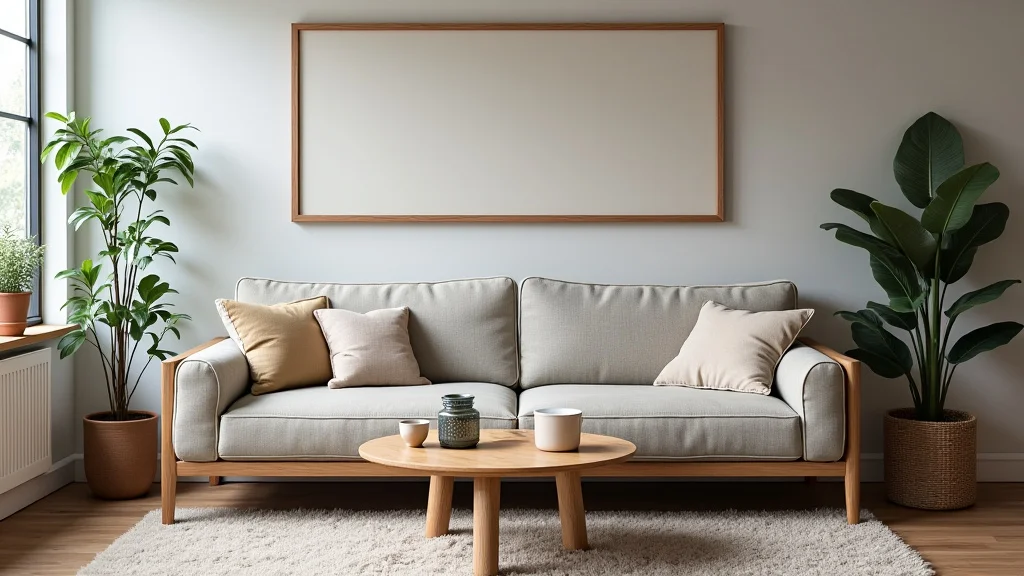
The sofa or sectional is often the centerpiece of a den, so choosing the right one is critical. For smaller dens, a loveseat or a small sectional with a chaise might be ideal. These options provide ample seating without dominating the room. In larger dens, a sectional with multiple pieces or a larger sofa paired with armchairs can create a more inviting social space. Fabric choice is also important. Consider the durability and practicality of the fabric, especially if you have pets or children. Leather is classic and durable but can be more expensive. Performance fabrics, like those treated with stain-resistant coatings, offer a practical choice for high-traffic areas. Also, think about the style you want to achieve, as the sofa or sectional is likely the most prominent piece in your space.
- Size Considerations: Measure the available space carefully, accounting for walkways and other furniture. Always allow ample walking room.
- Style Matching: Ensure the sofa’s style aligns with the overall design scheme of your den, be it modern, traditional, or bohemian.
- Fabric and Durability: Opt for durable, easy-to-clean fabrics, especially if the den is frequently used or if children/pets are present.
- Comfort and Functionality: Consider the seating depth, back support, and any additional features such as built-in storage or reclining options.
- Color Harmony: Choose a color that complements the existing color palette of your den or serves as a base for introducing new colors.
Adding Complementary Seating Options
Beyond the sofa, consider other seating options to enhance the den’s functionality and comfort. Armchairs offer a place for individual relaxation and reading, while ottomans provide both seating and a place to prop up your feet. For a more casual setting, consider incorporating floor cushions or beanbag chairs. When choosing armchairs, think about scale and style. Do they match the sofa and other furniture? If you have limited space, select smaller armchairs or swivel chairs that can easily adapt to different activities. Ottomans can be a versatile addition. A storage ottoman can provide extra space for blankets, pillows, or board games, keeping your den organized and clutter-free. Ensure the additional seating options complement the primary pieces, creating a cohesive and inviting atmosphere.
- Armchairs: Choose armchairs with a comfortable seating depth and style to complement the sofa.
- Ottomans: Ottomans can serve as footrests or additional seating and provide storage space.
- Beanbag Chairs and Floor Cushions: These casual options are great for kids or a relaxed setting.
- Swivel Chairs: Swivel chairs offer flexibility and can be easily adjusted for different activities.
- Comfort over Form: Remember that comfort is key. Pick pieces that encourage relaxation.
Tables and Storage Solutions
Tables and storage are crucial to both functionality and design. Coffee tables provide a surface for drinks, snacks, and books, while side tables offer a place for lamps and other essential items. Consider the size and shape of your coffee table relative to your sofa. A long, rectangular table works well with a sectional, while a round or square table can soften the look of a straight-lined sofa. Side tables should be positioned within easy reach of the seating. In terms of storage, think about how you plan to manage clutter. Media consoles can house televisions, game consoles, and other electronics, while bookshelves and storage ottomans can help keep the room tidy. Incorporating storage solutions that blend with the décor will help create a welcoming and well-organized den.
- Coffee Tables: Choose a table that complements the sofa’s style and provides a convenient surface.
- Side Tables: Place side tables within easy reach of seating for lamps, drinks, and other items.
- Media Consoles: A media console should be sized to accommodate your television and any related devices.
- Bookshelves: Bookshelves offer both storage and display space for books, décor items, and personal mementos.
- Storage Ottomans: A storage ottoman can provide hidden storage for blankets, pillows, or board games.
Color Palettes for a Comfortable Den
Color has a significant impact on the mood of any room. For a den, the goal is often to create a relaxing and inviting atmosphere, making color selection a crucial step. The colors you choose will influence how you feel when in the space, so think carefully about your desired mood. Some colors are naturally soothing, while others inject energy. Consider the amount of natural light in your den. A darker room can benefit from lighter colors to brighten the space, while a room with ample sunlight can handle richer, darker shades. Also, think about the purpose of the den. Is it for unwinding after work or for hosting gatherings? Different purposes may call for different approaches.
Soothing Neutral Colors
Neutral color palettes are a safe and often effective way to create a calm and inviting den. Colors like beige, gray, white, and cream provide a versatile backdrop that can be easily adapted to different styles and design preferences. These colors offer a sense of tranquility and open up the space, making the den feel larger and airier. Neutrals also provide a great canvas for adding pops of color through accessories like throw pillows, blankets, and artwork. A neutral base allows you to change the look of your den easily without repainting the walls or investing in new furniture. Consider layering different shades of neutrals to add depth and interest. Varying textures through furniture and accessories can prevent the space from feeling flat or bland.
- Beige: Beige offers a warm and inviting feel and pairs well with many other colors.
- Gray: Gray offers a sophisticated and modern look and is versatile for various design styles.
- White: White creates a clean, airy, and expansive feel, perfect for smaller or darker dens.
- Cream: Cream provides a softer, more inviting alternative to stark white.
- Layering Neutrals: Combine different shades of neutrals to add visual interest and depth.
Invigorating and Rich Color Schemes
If you prefer a more energized den, consider richer color schemes. Deep blues, greens, and even warmer tones like burgundy or terracotta can create a cozy and inviting space. These colors can make a den feel more intimate, especially in larger rooms. The key is to balance these deeper colors with lighter accents to prevent the room from feeling too dark. For example, you could paint the walls a deep blue and complement them with lighter-colored furniture and accessories. When choosing colors, consider the overall style and existing elements in the den. If you are uncertain, you might experiment with color samples on a small section of a wall before committing to a whole-room makeover. You can also incorporate the principles of color theory to create harmony and balance within the space.
- Deep Blues: Deep blues evoke a sense of calm and sophistication, perfect for a relaxing den.
- Earthy Greens: Earthy greens create a connection with nature and add a sense of serenity.
- Warm Neutrals: Use warmer neutrals like terracotta or rust for a cozy, inviting feel.
- Color Balance: Pair darker colors with lighter accents to maintain balance and avoid a dim space.
- Statement Walls: Consider painting one wall a bolder color to create a focal point.
Using Color to Enhance a Small Den
In a small den, color can significantly affect the perception of space. Lighter colors tend to make a room feel larger and brighter, making them an excellent choice for smaller areas. Painting the walls in a soft white or light gray can create a sense of openness and reflect light, making the space feel more spacious. You can also use color to create visual illusions. Painting the ceiling a lighter shade than the walls can make the room appear taller, while using vertical stripes on the walls can visually stretch the space upward. It is essential to ensure that the color scheme flows well with the other rooms in your home. Maintaining consistency will create a sense of cohesion and make your home feel more spacious overall. Finally, the strategic use of mirrors can further enhance the effect of color, reflecting light and making the space feel even larger.
- Light Colors: Choose light, airy colors to make the den feel bigger and brighter.
- Ceiling Heights: Paint the ceiling a lighter shade than the walls to make the room seem taller.
- Visual Tricks: Use vertical stripes to visually stretch walls upwards.
- Color Flow: Ensure the den’s color scheme flows well with the rest of your home.
- Mirror Magic: Use mirrors to reflect light and expand the apparent space.
Arranging Furniture for Maximum Comfort
Effective furniture arrangement is critical to creating a functional and comfortable den. The way you position your furniture affects how the room feels and how you use the space. The arrangement should be determined by the room’s size, shape, and the activities you plan to do in the den. Prioritize creating a focal point, such as a fireplace or a television, and arrange the furniture to face it. Ensure walkways are clear and easy to navigate. A well-arranged den will support relaxation, entertainment, and social interaction, making it a favorite spot in your home.
Creating Conversation Areas
For a den used for socializing, creating conversation areas is essential. This usually involves arranging seating in a way that encourages interaction. Sofas and chairs should be positioned to face each other, with enough space in between for comfortable conversation and movement. Consider using a coffee table or ottoman in the center to serve as a gathering point and a place to set drinks and snacks. You might also want to establish clear boundaries for the seating area using rugs. Area rugs can visually define the space and tie the furniture together. Remember that the layout should allow for easy movement. Avoid blocking doorways or pathways, and try to arrange the furniture in a way that promotes a natural flow throughout the room.
- Face-to-Face Seating: Arrange sofas and chairs to face each other to encourage conversation.
- Central Table: Use a coffee table or ottoman as a central gathering point.
- Area Rugs: Define the conversation area with an area rug to tie furniture together.
- Space and Movement: Ensure clear walkways and avoid blocking doorways.
- Balancing Needs: Balance seating needs with the need for open space.
Optimizing for Television Viewing
If the den is primarily used for watching TV, the furniture arrangement should be optimized for viewing comfort. Place the television at eye level when you’re seated and ensure that it’s easy to see from all seating positions. The ideal viewing distance depends on the size of the TV. A general guideline is to sit about 1.5 to 2.5 times the screen size in inches. Arrange the seating to avoid glare from windows or other light sources. Consider the angle of the TV. Ideally, the center of the screen should be at your eye level when seated. This setup will improve the viewing experience and prevent neck strain. Finally, think about how to integrate the TV into the overall design. Consider mounting it on the wall or incorporating it into a media console to create a seamless, integrated look.
- Measure and plan: Measure the TV’s size and consider the room’s dimensions to determine optimal placement.
- Angle of View: Center the TV screen at eye level when seated for optimal viewing.
- Seating Arrangement: Position seating to avoid glare and ensure all viewers have a clear line of sight.
- Viewing Distance: Adhere to guidelines for optimal viewing distances based on screen size.
- Accessories: Use media consoles or wall mounts for a streamlined look and to integrate the TV into the decor.
Making the Most of Small Spaces
In a small den, space-saving strategies are crucial. Consider furniture pieces with multiple functions, such as ottomans that also serve as storage or sofas with built-in storage drawers. Placing furniture against the walls will maximize the available space in the center of the room. Using mirrors to reflect light and make the room appear larger is an effective trick. You can also employ vertical space by using tall bookshelves or wall-mounted shelves to store books and accessories. By being strategic with your furniture choices and layout, you can create a functional and comfortable den, even in a small space. Think about the overall use of space and how you can maximize both function and style.
- Multifunctional Furniture: Opt for pieces that serve multiple purposes to save space.
- Wall Placement: Place furniture against the walls to open up the center of the room.
- Mirror Magic: Use mirrors to reflect light and expand the visual space.
- Vertical Storage: Utilize tall bookshelves and wall-mounted shelves to maximize storage.
- Strategic Arrangement: Plan the layout to ensure the room feels open and easy to navigate.
Lighting to Enhance Your Den’s Ambiance
Lighting plays a significant role in creating a comfortable den. The right lighting can transform a space, affecting its mood and functionality. Layering different types of lighting is key. This includes general lighting to illuminate the entire room, task lighting for specific activities, and accent lighting to highlight design elements and create ambiance. Consider the direction, intensity, and color of the light. The goal is to provide enough light for daily activities while still creating a cozy and inviting atmosphere.
Types of Lighting for a Welcoming Den
Several lighting options can create a warm and inviting atmosphere. Start with general lighting, using overhead lights or recessed lighting to illuminate the whole room. Then add task lighting in areas where you read, work, or engage in hobbies. Table lamps, floor lamps, and wall sconces are great options. Consider incorporating accent lighting to highlight artwork, architectural features, or specific areas of the room. Track lighting, spotlights, and picture lights can emphasize these elements and enhance the overall aesthetic. Experiment with dimmer switches. Dimmer switches allow you to adjust the light intensity to suit different moods and times of the day. They provide excellent flexibility and control over the room’s atmosphere. Ultimately, a balanced combination of all these types will create a comfortable and well-lit den.
- General Lighting: Use overhead lights or recessed lighting for overall illumination.
- Task Lighting: Provide task lighting for reading, working, and other specific activities.
- Accent Lighting: Use accent lighting to highlight artwork, architectural features, or other elements.
- Dimmer Switches: Incorporate dimmer switches to adjust the light intensity and create different moods.
- Balance and Harmony: Combine all these to ensure the space is both functional and inviting.
Choosing the Right Light Bulbs
The light bulbs you use can significantly impact the ambiance of your den. LED bulbs are energy-efficient and come in a wide range of color temperatures, making them a great choice. Look for bulbs with a warm color temperature (2700K-3000K) to create a cozy and inviting feel. If you prefer a brighter, more energizing atmosphere, choose bulbs with a cooler color temperature. Consider the lumens (brightness) and wattage (energy consumption) of the bulbs. Choose the lumens that are appropriate for the size of your room and the tasks you perform in the den. You should also think about the shape and style of the light bulbs. For example, Edison bulbs provide a vintage aesthetic, while smart bulbs allow you to control the lighting from your phone. Choosing the right light bulbs will enhance the appearance and functionality of your den.
- LED Bulbs: Choose energy-efficient LED bulbs for long-lasting performance and energy savings.
- Color Temperature: Opt for warm color temperatures (2700K-3000K) to create a cozy feel.
- Lumens and Wattage: Choose bulbs with appropriate lumens and wattage for your needs.
- Bulb Styles: Explore different bulb shapes and styles to enhance the aesthetic.
- Smart Bulbs: Consider smart bulbs for added convenience and customization options.
Positioning Lights Strategically
Strategic placement of light fixtures is critical for achieving the desired ambiance. Position general lighting fixtures evenly across the ceiling to ensure the entire room is illuminated. Place task lighting near where you read, work, or perform other activities. Angle the light so it shines directly on the task area. For accent lighting, consider placing spotlights or track lighting to highlight specific features, such as artwork or architectural details. When it comes to floor and table lamps, ensure they’re positioned in a way that provides both illumination and visual interest. Consider layering the lights to create depth and dimension in the room. Experiment with different light placements to find the ideal lighting arrangement for your den. Creating a balance between functionality and ambiance is crucial to make the space comfortable and inviting.
- General Lighting: Position evenly across the ceiling for overall illumination.
- Task Lighting: Place near work or reading areas for focused illumination.
- Accent Lighting: Use spotlights to highlight artwork or architectural features.
- Layering: Combine different types of lighting for depth and dimension.
- Experimentation: Try different arrangements to find the best lighting setup for your needs.
Personalizing Your Den with Accessories
Accessories are the finishing touches that bring personality and character to your den. They reflect your taste and interests, and they can transform a room from ordinary to unique. Whether you prefer a minimalist aesthetic or a more eclectic style, accessories allow you to express yourself and make the space feel truly your own. Choose accessories that complement your color scheme and design aesthetic. Think about the functionality of the accessories. While some are purely decorative, others can serve a practical purpose, such as throw blankets for comfort or decorative storage baskets to manage clutter.
Adding Decorative Pillows and Throws
Decorative pillows and throws are an easy and effective way to add color, texture, and pattern to your den. They can instantly update the look of your sofa or chairs and provide a cozy and inviting feel. When selecting pillows and throws, consider the color scheme of the room and choose items that complement or add contrast. Mix and match different patterns and textures to create visual interest. For instance, you could combine solid-colored pillows with patterned ones or add a textured throw blanket to a smooth-surface sofa. Make sure the materials are comfortable and suit the season. In the winter, you might opt for warmer materials like wool or faux fur, while lighter fabrics like linen or cotton are perfect for summer. Don’t be afraid to change your pillows and throws seasonally to refresh your den’s look.
- Color Coordination: Choose pillows and throws that complement the room’s existing color scheme.
- Pattern Mixing: Mix and match different patterns to create visual interest.
- Texture Variety: Add texture through different fabrics like wool, linen, or faux fur.
- Seasonal Changes: Change pillows and throws seasonally to update the room’s look.
- Comfort Priority: Always select materials that enhance comfort and relaxation.
Incorporating Artwork and Mirrors
Artwork and mirrors can significantly impact the character and feel of your den. Artwork adds personality and visual interest, allowing you to showcase your tastes and interests. Choose artwork that complements your color scheme and design style. You could display paintings, photographs, prints, or even three-dimensional art pieces. Mirrors can visually expand the space, reflect light, and add depth to the room. Position mirrors strategically to reflect natural light or enhance specific design elements. Consider different mirror styles, such as framed mirrors, decorative mirrors, or full-length mirrors, depending on your space and style. Think about the size and placement of the artwork and mirrors. The goal is to create a visually appealing arrangement that elevates your overall decor.
- Artwork Selection: Choose artwork that reflects your personal style and complements the color scheme.
- Mirror Placement: Position mirrors to reflect light and expand the room visually.
- Mirror Styles: Experiment with different mirror styles like framed or decorative.
- Artistic Balance: Create a visually appealing arrangement with the selected pieces.
- Personalization: Make your den feel unique and expressive of your tastes.
Adding Greenery and Natural Elements
Bringing natural elements into your den can bring life and vibrancy to the space. Plants can purify the air, add color, and create a sense of calm. Choose plants that thrive in indoor environments, considering the light conditions and your ability to care for them. Consider different types of plants, such as potted plants, hanging plants, or small succulents, based on the space and your personal preference. Aside from plants, you might bring in other natural elements such as wood, stone, or natural fibers. These materials add texture and warmth to the room, creating a more inviting and organic feel. Place natural elements thoughtfully to ensure they complement the room’s overall design. The goal is to create a sense of connection with nature and bring a touch of the outdoors inside.
- Plant Selection: Choose plants that suit the lighting conditions and are easy to maintain.
- Variety of Greenery: Experiment with different types of plants, such as potted or hanging plants.
- Natural Materials: Add warmth with wood, stone, or natural fiber accents.
- Strategic Placement: Position natural elements to complement the room’s overall design.
- Nature Connection: Create a more inviting and organic feel by bringing the outdoors inside.
Decorating Den Interiors on a Budget
Transforming your den doesn’t need to break the bank. With a little creativity and some smart planning, you can achieve a stylish and comfortable space without excessive spending. The key is to prioritize what matters most to you, utilize what you already have, and seek affordable alternatives. Before starting any project, take stock of the existing items you can reuse or repurpose. Sometimes, a simple rearrangement or a fresh coat of paint can make a huge difference. By being resourceful, you can create a beautiful and functional den without overspending.
Repurposing and Upcycling Existing Items
Repurposing and upcycling can make a significant impact on your budget. Look around your home and see what items you can give a new purpose. An old blanket can become a throw for your sofa, an antique suitcase can become a side table, or old picture frames can be used to display new artwork. Consider upcycling old furniture. A fresh coat of paint, new hardware, or a fabric makeover can breathe new life into an outdated piece. Consider the concept of DIY projects to add a personal touch to your space. You can create unique décor items using inexpensive materials. This method also lets you personalize your den and make it feel more authentic. Using what you have in a new way is a great way to save money and add charm to your den.
- Inventory Assessment: Review existing items for potential repurposing.
- DIY Projects: Embrace DIY for unique décor using inexpensive materials.
- Furniture Transformation: Revitalize old furniture with paint or fabric updates.
- Creative Reuse: Convert old items into new and functional elements.
- Personalized Touches: Add authenticity and charm to your space.
Finding Affordable Furniture and Décor
You do not need to spend a fortune to furnish and decorate your den. There are several ways to find great deals on furniture and décor. Visit thrift stores, consignment shops, and online marketplaces to find gently used furniture at a fraction of the price. Consider buying furniture from budget-friendly stores or home improvement stores, where you can often find stylish and affordable options. Shop during sales and clearance events to maximize your savings. Think about buying second-hand or used items. The savings will surprise you. Don’t be afraid to mix high-end items with more affordable pieces to balance quality and cost. This approach will let you create a well-designed den that suits your budget. Consider focusing on a few key pieces. Spend more on high-quality items that will last, and save on accessories.
- Thrift Stores: Browse thrift stores for gently used furniture and décor items.
- Budget-Friendly Stores: Buy from discount stores and home improvement stores.
- Sales and Clearance: Shop sales and clearance events to maximize savings.
- Second-Hand Finds: Find great deals on second-hand or used items.
- High-Low Mixing: Balance quality pieces with affordable accessories.
DIY Projects and Creative Alternatives
DIY projects provide a fun way to personalize your den and save money. You can create unique artwork, decorative items, or even small furniture pieces. Explore free online tutorials and crafting guides for ideas and instructions. For example, you can create a gallery wall by framing affordable prints or making your own macramé wall hangings. You can create unique storage solutions. Build floating shelves or repurpose crates for storage. Using DIY projects lets you add a personal touch to your space and express your creativity. You might also look for creative alternatives to expensive décor items. For instance, instead of purchasing expensive curtains, consider using fabric panels or making your own. This will help you achieve a personalized and stylish den without overspending.
- DIY Inspiration: Search for free DIY projects and tutorials for inspiration.
- Artwork Creation: Make your own art to save money and add personalization.
- Storage Solutions: Build your own storage options like floating shelves.
- Fabric Alternatives: Use fabric panels for curtains to cut costs.
- Creative Expression: Personalize your space with unique, handmade elements.
Common Myths Debunked
Myth 1: Decorating a Den Requires a Huge Budget
Many people believe that decorating a den requires significant financial investment, assuming they must purchase all new furniture and décor. However, this is far from true. As discussed earlier, decorating a den can be achieved on a budget using repurposed items, DIY projects, and savvy shopping techniques. By prioritizing what matters most, being creative with existing items, and utilizing affordable alternatives, you can make your dream a reality without breaking the bank.
Myth 2: Small Dens Cannot Be Stylish
Some people mistakenly believe that small dens are inherently limited and cannot be stylish. But this notion is incorrect. Small dens can be just as stylish and inviting as larger ones. The key is to plan your space carefully, choose appropriate furniture, use lighter colors to enhance the perception of space, and incorporate clever storage solutions. With the right design choices, a small den can be transformed into a cozy and functional haven.
Myth 3: You Need Professional Help to Decorate
Many people think they must hire a professional interior designer to achieve a well-decorated den. While professional assistance can be useful, it is not essential. With online resources, design blogs, and inspiration from magazines, you can acquire all the information and ideas to decorate your den yourself. Planning is very important. You can easily create a beautiful and functional space by following design principles, setting a budget, and choosing your own style.
Myth 4: Dark Colors Make a Den Feel Closed Off
It’s a common belief that dark colors will make a den seem small and closed in. While it’s true that dark colors can make a room feel smaller, it does not mean they cannot be used in a den. Darker shades create intimacy and coziness. Combining dark colors with lighter accents, good lighting, and strategic use of mirrors can make the room both stylish and inviting. You can still embrace dark tones and create a comforting space.
Frequently Asked Questions
Question: How do I measure a den for furniture?
Answer: Measure the room’s length, width, and height. Note the location of doors, windows, and any architectural elements. Also measure the height and width of any structural items, such as a fireplace.
Question: What is the best color for a small den?
Answer: Light and neutral colors such as white, beige, or light gray are best for making a small den seem larger and brighter.
Question: How can I make my den feel more inviting?
Answer: Add soft lighting, comfortable seating, and personal touches like throws, pillows, and artwork to make your den inviting.
Question: What is the best lighting for a den?
Answer: A combination of general lighting (overhead or recessed), task lighting (for reading), and accent lighting is the most balanced approach.
Question: Can I decorate my den on a budget?
Answer: Absolutely. Reuse items, shop at thrift stores, look for sales, and embrace DIY projects to cut costs.
Final Thoughts
Creating a cozy and stylish den isn’t about following rigid rules; it’s about making a space that reflects your personality and meets your needs. By thoughtfully selecting furniture, experimenting with color palettes, and arranging your space for optimal comfort, you’re one step closer to your goals. Remember, the details are what make a space feel like home. Consider personalizing your den with accessories, artwork, and natural elements. Always remember the significance of planning for how you want to use the space. Whether it’s a place to watch movies, read a book, or just unwind, your den should be a reflection of you. So, explore different design options, be imaginative, and enjoy the process of turning your den into the perfect escape.